

Integrative Treatment: Combining Ayurvedic and Modern Neurological Care
In recent years, healthcare has evolved beyond rigid boundaries, embracing a more holistic and patient-centered approach. One of the most promising developments in this space is integrative treatment—where traditional systems like Ayurveda are combined with modern neurological care to deliver better outcomes. This approach is especially relevant for chronic neurological conditions such as epilepsy, where long-term management, side effects, and quality of life are major concerns.
India, with its rich heritage of Ayurveda and advanced modern medical infrastructure, is uniquely positioned to offer the best of both worlds. Patients seeking the best Ayurvedic epilepsy treatment in India are increasingly exploring integrative care models that combine ancient wisdom with scientific precision.
Understanding Epilepsy: A Dual Perspective
Modern medicine focuses on controlling these seizures using anti-epileptic drugs (AEDs), advanced diagnostics like EEG and MRI, and in some cases, surgery.
Ayurveda, on the other hand, views epilepsy (known as Apasmara) as a disorder of the mind and consciousness caused by an imbalance in the body’s three doshas—Vata, Pitta, and Kapha. It emphasizes not only symptom control but also root-cause healing by restoring balance and strengthening the nervous system.
While modern medicine is effective in acute seizure management, Ayurveda offers long-term support through natural therapies, making the integration of both systems highly beneficial.
Why Integrative Treatment is Gaining Popularity
The shift toward integrative care is driven by the limitations of single-system treatments. Many patients experience side effects from long-term use of conventional medications, including fatigue, dizziness, mood changes, and cognitive impairment. At the same time, relying solely on alternative therapies may not provide immediate seizure control.
This is where integrative treatment creates a balanced pathway. Patients benefit from the rapid symptom control of modern neurology while also receiving the restorative and preventive benefits of Ayurveda.
For those searching for the best Ayurvedic seizure treatment in India, integrative care ensures that treatment is not just about suppressing seizures but also about improving overall brain health and quality of life.
Core Components of Integrative Neurological Care
An integrative approach combines multiple elements tailored to the patient’s condition, lifestyle, and medical history. It is not a one-size-fits-all model but a carefully designed treatment plan.
Modern neurological care typically includes diagnosis through advanced imaging, continuous monitoring, and medication management. Neurologists play a crucial role in stabilizing the condition and preventing complications.
Ayurvedic care complements this by incorporating herbal medicines, detoxification therapies, dietary modifications, and lifestyle changes. The goal is to enhance the body's natural healing ability and reduce dependency on synthetic drugs over time.
When patients seek the best Ayurvedic epilepsy treatment, they often receive therapies such as Panchakarma, Shirodhara, and Nasya, which are known to calm the nervous system and improve mental clarity.
Role of Ayurvedic Medicines in Epilepsy Care
One of the key strengths of Ayurveda lies in its use of natural formulations. The best Ayurvedic epilepsy medicines are typically derived from herbs known for their neuroprotective and calming properties. These include Brahmi, Ashwagandha, Shankhpushpi, and Jatamansi.
These herbs help in reducing stress, improving cognitive function, and stabilizing neural activity. Unlike many conventional drugs, Ayurvedic medicines are generally well-tolerated and aim to address the root imbalance rather than just suppress symptoms.
However, it is essential that these medicines are prescribed by qualified practitioners, especially when used alongside modern medications. This ensures safety, avoids interactions, and maximizes effectiveness.
Bridging the Gap Between Two Systems
One of the biggest challenges in integrative treatment is coordination between Ayurvedic practitioners and neurologists. Effective communication and mutual understanding are crucial for success.
A well-designed integrative plan ensures that both systems work in harmony rather than conflict. For example, while modern medicine may focus on reducing seizure frequency, Ayurveda works on improving sleep patterns, digestion, stress levels, and overall vitality—all of which indirectly influence neurological health.
Patients looking for the best Ayurvedic medicine for epilepsy should ensure that their treatment is part of a structured integrative program rather than isolated remedies.
Benefits of an Integrative Approach
The benefits of combining Ayurvedic and modern neurological care are multifaceted. Patients often report better seizure control, reduced medication side effects, improved mental clarity, and enhanced emotional well-being.
Another important advantage is the focus on long-term healing. Ayurveda emphasizes preventive care, helping patients maintain balance and reduce the likelihood of future episodes.
Moreover, integrative care empowers patients to take an active role in their health. Through diet, yoga, meditation, and daily routines, individuals become more aware of their body and its needs.
This holistic improvement is why many people are now choosing the best Ayurvedic epilepsy treatment in India as part of a broader healthcare strategy.
Importance of Lifestyle and Diet
Lifestyle plays a critical role in managing neurological conditions. Ayurveda places great emphasis on Dinacharya (daily routine) and Ahara (diet), which are tailored to the individual’s constitution.
A balanced diet that supports brain health, adequate sleep, stress management, and regular physical activity are essential components of integrative care. Practices such as yoga and meditation are particularly beneficial in reducing stress—a known trigger for seizures.
Modern neurology also recognizes the importance of lifestyle factors, and when combined with Ayurvedic guidance, patients receive a comprehensive plan that addresses both physical and mental health.
Safety and Precautions
While integrative treatment offers numerous benefits, it must be approached responsibly. Self-medication or combining treatments without professional guidance can be risky.
Patients should always consult both a neurologist and an experienced Ayurvedic practitioner before starting any integrative plan. Regular monitoring, dosage adjustments, and follow-ups are essential to ensure safety and effectiveness.
It is also important to note that integrative care is not about replacing modern medicine but enhancing it. Sudden discontinuation of prescribed medications can lead to serious complications.
The Future of Integrative Neurology in India
India is emerging as a global hub for integrative healthcare. With increasing research, better collaboration between practitioners, and growing patient awareness, the future looks promising.
Healthcare institutions are beginning to adopt integrative models, offering patients access to both modern diagnostics and traditional therapies under one roof. This not only improves outcomes but also makes treatment more accessible and affordable.
For those seeking the best Ayurvedic seizure treatment in India, the availability of integrative care ensures a balanced approach that combines safety, effectiveness, and holistic healing.
Conclusion
Integrative treatment represents a new era in healthcare—one that values both tradition and innovation. By combining Ayurvedic wisdom with modern neurological science, patients can achieve better control over conditions like epilepsy while also improving their overall quality of life.
The journey toward healing is not just about managing symptoms but about restoring balance, strength, and well-being. With the right guidance, patients can benefit from the best Ayurvedic epilepsy treatment, supported by modern medical advancements.
As awareness continues to grow, integrative care is set to redefine how neurological disorders are treated, offering hope and healing to millions.
Frequently Asked Questions (FAQs)
1. What is integrative treatment for epilepsy?
Integrative treatment for epilepsy is an approach that combines modern neurological care with Ayurveda. It uses conventional medicines to control seizures while incorporating natural therapies, diet, and lifestyle changes from Ayurveda to improve overall brain health and reduce recurrence.
2. Is the best Ayurvedic epilepsy treatment in India safe to use with modern medicines?
Yes, the best Ayurvedic epilepsy treatment in India can be safely combined with modern medicines when supervised by qualified professionals. Proper coordination between a neurologist and an Ayurvedic doctor ensures there are no harmful interactions and the treatment remains effective.
3. How do Ayurvedic medicines help in managing epilepsy?
The best Ayurvedic epilepsy medicines work by calming the nervous system, improving brain function, and balancing the body’s doshas. Herbs like Brahmi and Ashwagandha are commonly used as part of the best Ayurvedic medicine for epilepsy, helping reduce stress and support long-term neurological health.
4. Can integrative care reduce dependency on anti-epileptic drugs?
In some cases, integrative care may help reduce dependency on medications over time, but this should only happen under medical supervision. The goal of combining the best Ayurvedic seizure treatment in India with modern care is to enhance overall outcomes—not abruptly replace prescribed medicines.
5. Who should consider integrative neurological treatment?
Anyone with chronic or recurring epilepsy, especially those experiencing side effects from medications or looking for holistic healing, can consider integrative care. Choosing the best Ayurvedic epilepsy treatment alongside modern neurology can provide a more balanced and sustainable path to recovery.
Latest Post
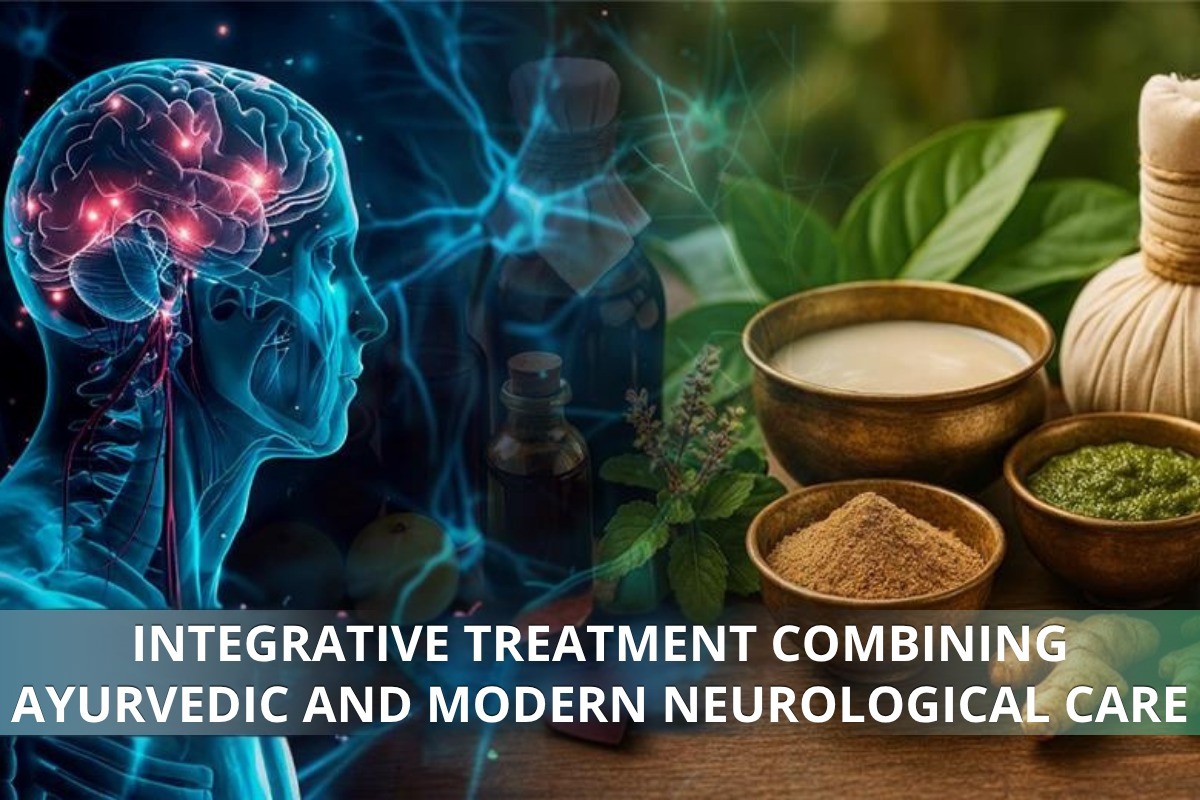
Integrative Treatment: Combining Ayurvedic and Modern Neurological Care
read more...
Best Ayurvedic Epilepsy Medicine for Long-Term Brain Balance
read more...
Types of Epileptic Seizures: A Simple Guide for Families
read more...
How Stress & Sleep Affect Seizures — And Ayurvedic Ways to Improve Both
read more...
Ayurvedic Epilepsy Treatment Near Me: How to Choose the Right Clinic & Doctors
read more...
Best Ayurvedic Epilepsy Treatment in India: Top Doctors & Ayurvedic Options for Epilepsy Patients
read more...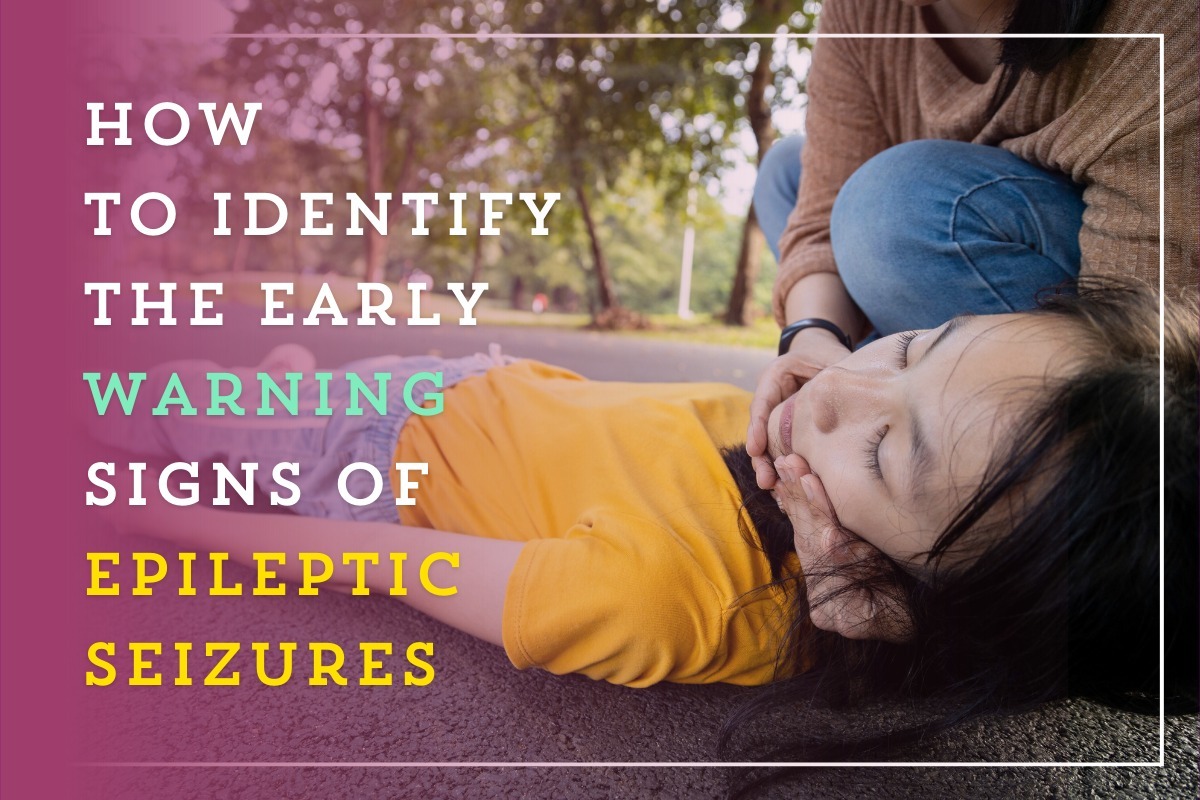
How to Identify the Early Warning Signs of Epileptic Seizures
read more...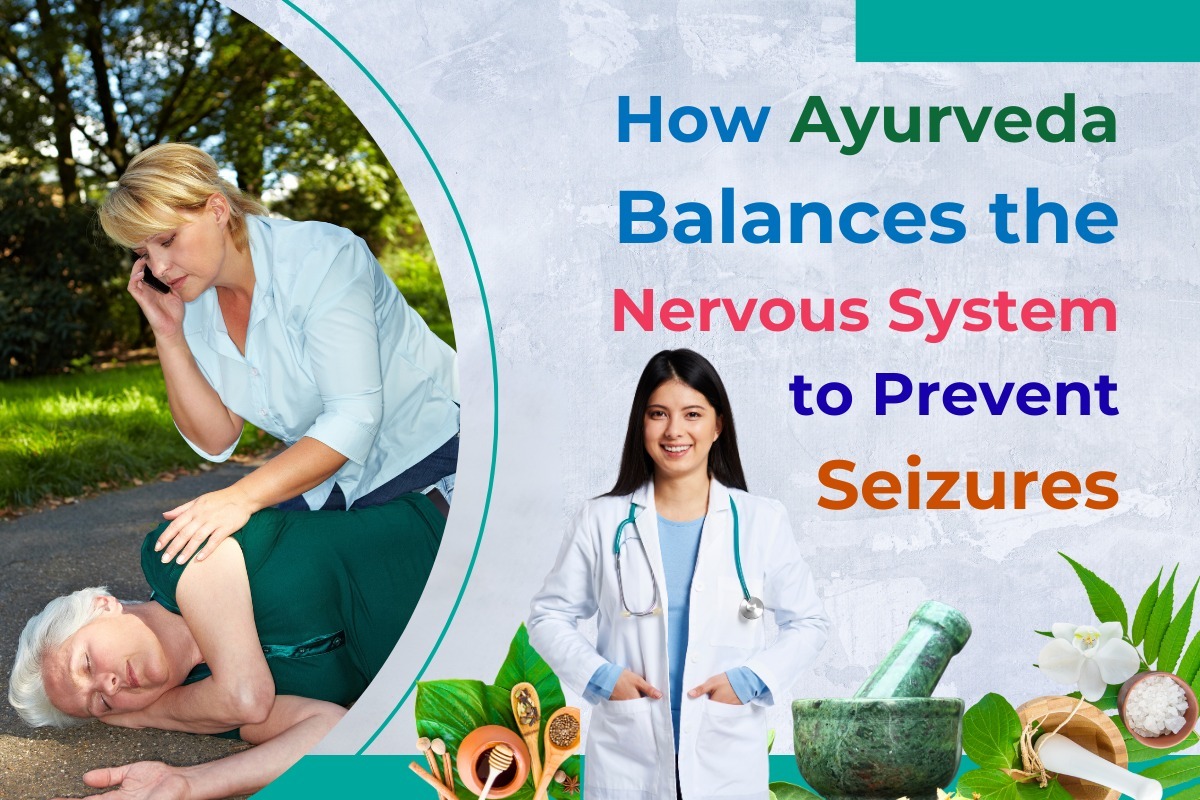
How Ayurveda Balances the Nervous System to Prevent Seizures
read more...
Low-Cost Epilepsy Treatment in India: What Patients Should Know
read more...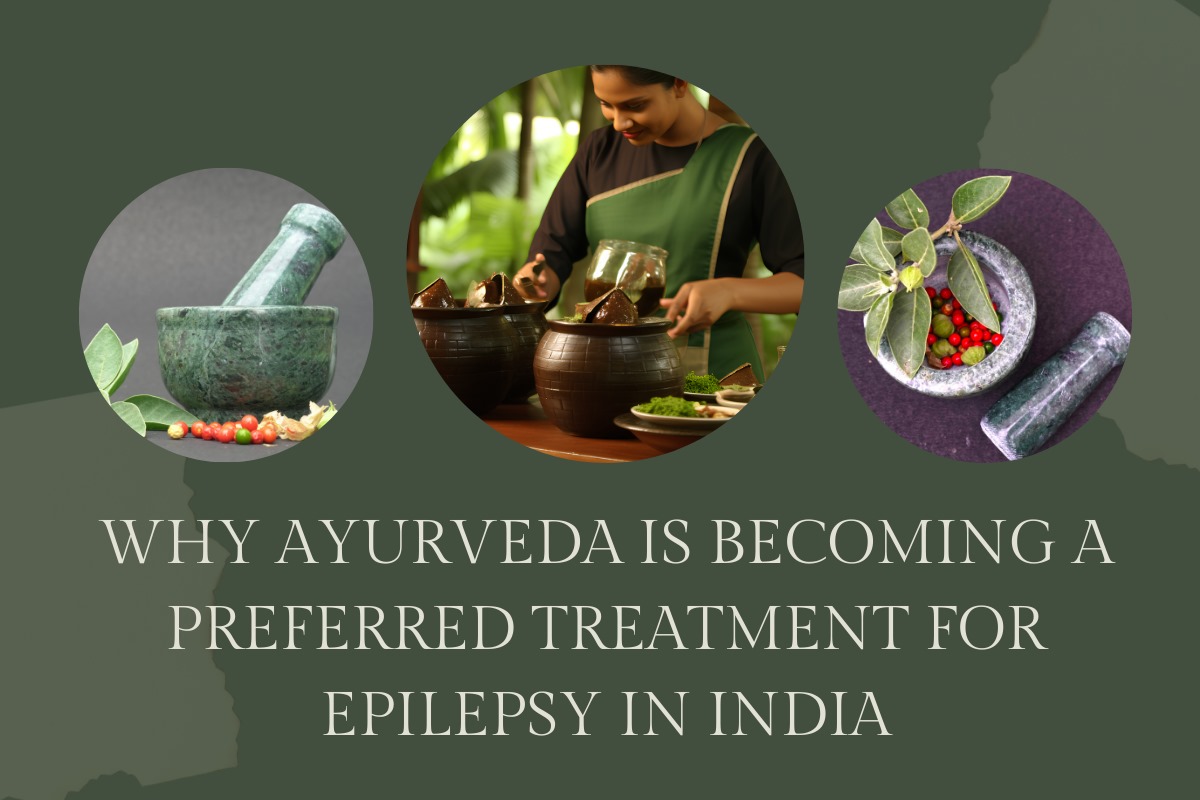
Why Ayurveda Is Becoming a Preferred Treatment for Epilepsy in India
read more...
Childhood Epilepsy: Effective Treatment Strategies for Long-Term Recovery
read more...
Scientific Studies on Ayurvedic Epilepsy Treatment: What Research Says
read more...
The Role of Fasting & Detox in Ayurvedic Epilepsy Treatment
read more...
Daily Routines (Dinacharya) for Epilepsy Patients According to Ayurveda
read more...
Top Ayurvedic Clinics in India Offering Epilepsy & Seizure Treatment
read more...
The Power of Meditation & Yoga in Epilepsy Management
read more...
Neuroprotective Benefits of Ayurveda in Epilepsy Management
read more...
The Role of Ayurvedic Epilepsy Medicines to Reduce Seizure Frequency
read more...
Diet & Nutrition for Epilepsy: Ayurvedic Foods to Eat & Avoid
read more...
Preventing Epilepsy with Ayurveda: Early Signs to Watch For Epilepsy
read more...
How Ayurveda & Spiritual Healing Work Together for Epilepsy
read more...
Ayurvedic Epilepsy Medicine vs. Allopathy: Which is More Effective
read more...
Seizure Treatment in Ayurveda: Discover the Power of Ayurvedic Epilepsy Medicine
read more...
Ayurvedic Seizure Treatment: Can It Help You Live Seizure-Free?
read more...
Best Epilepsy Treatment in India: Can Ayurveda Completely Cure Epilepsy? Myths vs. Reality
read more...
Best Epilepsy Medicine in India with Ayurveda: Diet, Lifestyle, and Herbal Remedies
read more...
Best Ayurvedic Medicine for Epilepsy: Natural Solutions for Seizure Control
read more...
How Ayurveda Helps Children with Epilepsy: Holistic Seizure Treatment Explained
read more...
Managing Epilepsy Naturally: Ayurvedic Seizure Treatment for Children and Adults
read more...
Best Ayurvedic Clinics for Epilepsy Treatment in India: A Comprehensive Guide
read more...
Best Epilepsy Treatment in India How Ayurveda Offers Hope for Seizure Patients
read more...
Using Ayurvedic Medicines and Herbs for Epilepsy Relief
read more...
The Role of Family Support in Ayurvedic Healing for Epilepsy
read more...
The Importance of Sleep in Managing Epilepsy Naturally
read more...
Maintaining Long-Term Health Post-Epilepsy Treatment with Ayurveda
read more...
The Future of Epilepsy Care: Combining Ayurveda with Modern Medicine
read more...
Natural Remedies for Epilepsy: Ayurveda’s Ancient Secrets Revealed
read more...
How to Find the Right Ayurvedic Specialist for Epilepsy Treatment
read more...
Boosting Brain Health with Ayurveda: Tips for Epilepsy Patients
read more...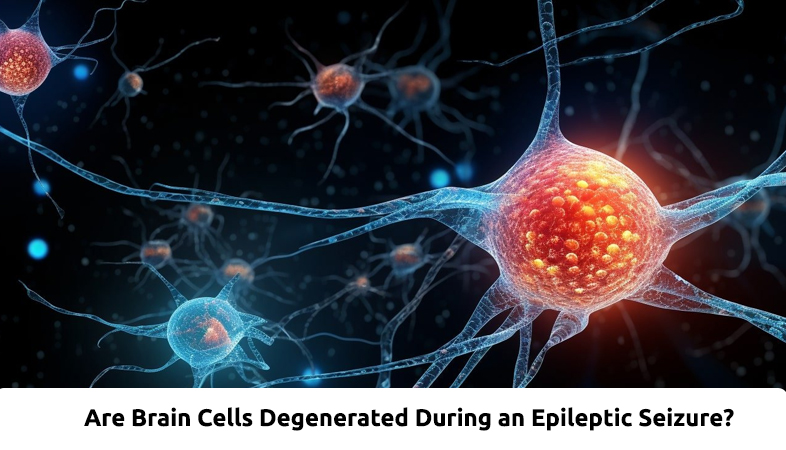
Are Brain Cells Degenerated During an Epileptic Seizure
read more...
10 Natural Ways to Increase GABA to Calm the Mind and Reduce Seizures
read more...
Is Epilepsy a Hereditary Disease
read more...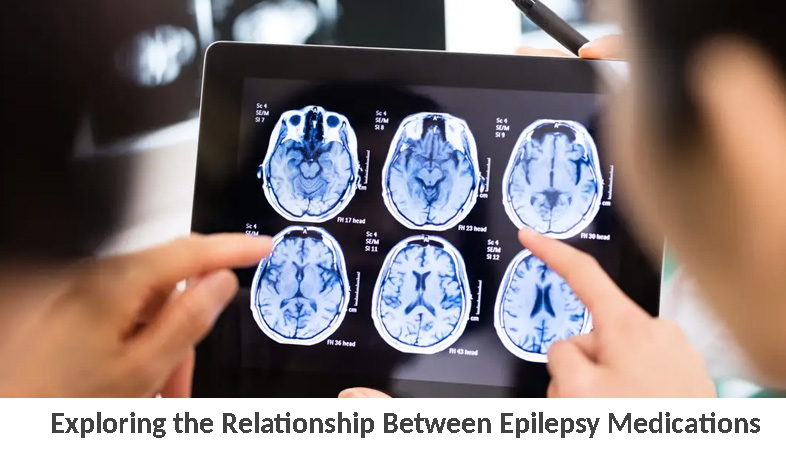
Exploring the Relationship Between Epilepsy Medications, Hair Loss, Weight Loss, and the Benefits of Ayurvedic Formulas
read more...
Photosensitive Epilepsy: Causes, Symptoms, and Treatment
read more...
How does it feel like to have an epileptic parent
read more...
How does epilepsy affect a parent's life
read more...
Ayurveda may be helpful for Seniors with Epilepsy
read more...
Marital Status of Epileptic Patients
read more...
Seniors and Epilepsy / Living with epilepsy as a senior
read more...
How does epilepsy affect you intellectually
read more...
Do people with epilepsy need more sleep
read more...
Can a person with epilepsy go to college
read more...
Does Epilepsy cause memory loss
read more...
If learning fails a memory problem in students with Epilepsy
read more...
What organs are affected by epilepsy?
read more...
How Does Epilepsy Affect Fertility And How Can Ayurveda Help?
read more...
Myths About Epilepsy and Pregnancy
read more...
Is epilepsy a mental illness?
read more...
Can a person with epilepsy get married?
read more...
Post-covid treatment for people with epilepsy: yoga and ayurveda?
read more...
What to do during a seizure attack?
read more...
How safe is it for Epileptic Patients to get Vaccinated for Covid-19
read more...
Nostril breathing treatment to cure seizure disorder
read more...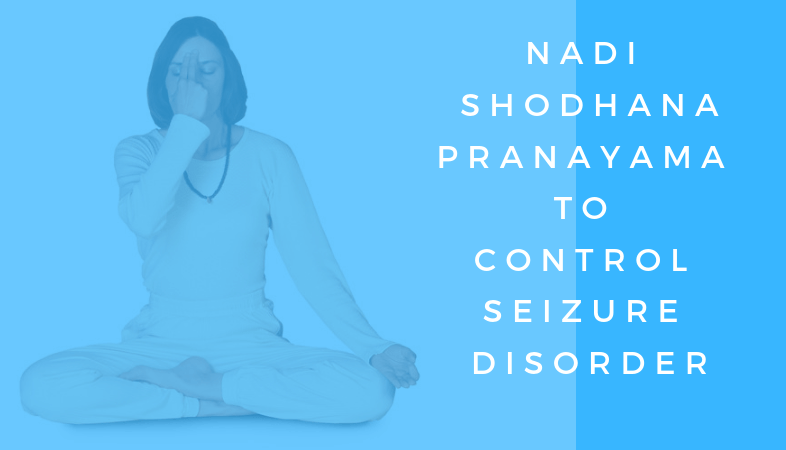
Control Seizure disorder with Pranayama
read more...
What is Epilepsy
read more...
What is a Seizure?
read more...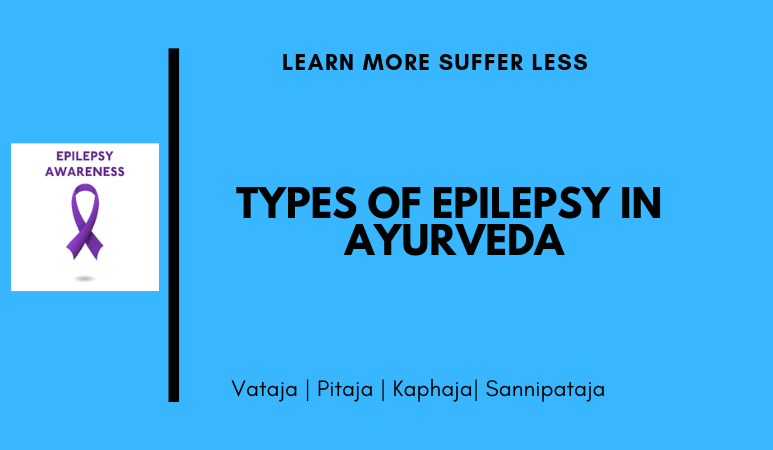
Types of Epilepsy and treatment as per Ayurveda
read more...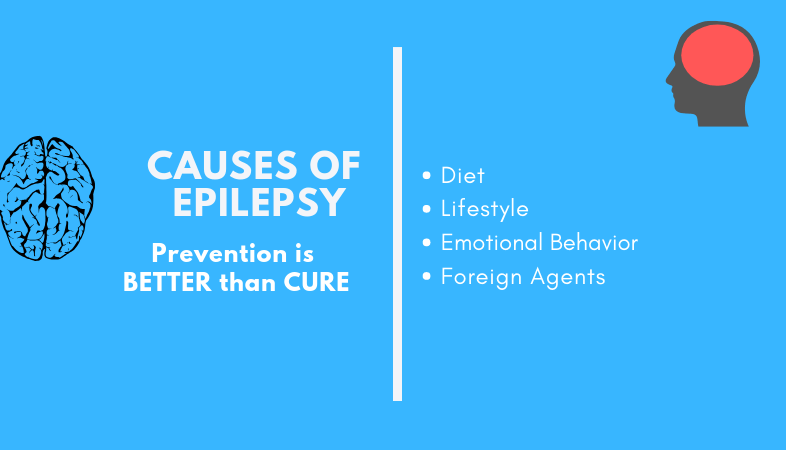
Causes of Epilepsy as per Ayurveda
read more...
Management of Epilepsy as per Ayurveda
read more...
Combination therapy for Epilepsy as per Ayurveda
read more...
Management of Epilepsy during an attack
read more...
Epilepsy Awareness -Know Epilepsy and No fear
read more...
When we beware of Epilepsy then we can be safe from Epilepsy
read more...
Have Epilepsy? Read how to increase immunity through Ayurveda
read more...
Emotional and Behavioral Changes amidst People with Epilepsy
read more...
Caring for someone with Epilepsy
read more...
Depression in Epilepsy
read more...
Copyright @ 2024 Neeraj Clinic. All rights reserved