

Scientific Studies on Ayurvedic Epilepsy Treatment: What Research Says
Ayurveda has a long history of describing “apasmara” (epileptic seizures) and recommending herbs, diets, and lifestyle routines to reduce seizure frequency and improve quality of life. But what does modern research actually say about Ayurvedic approaches for epilepsy? Below is a clear, evidence-aware overview of the clinical science so far—where the data look promising, where it’s still thin, and how patients can safely integrate Ayurvedic care alongside conventional neurology. If you’re exploring the best Ayurvedic epilepsy treatment or searching for the best epilepsy hospital in India, understanding the strength of the evidence will help you make informed choices.
The Evidence Landscape: Small But Growing
Most published studies on Ayurvedic interventions for epilepsy are small, early-phase trials, observational studies, or case series. Randomized, double-blind, placebo-controlled trials—the gold standard—are still limited. That means we have encouraging signals in some areas, but we also need larger, better-designed trials to confirm efficacy, establish optimal dosing, and assess long-term safety.
Key takeaways from the literature:
• Several Ayurvedic herbs show neuroprotective and anticonvulsant properties in preclinical (animal and cell) studies.
• Human studies suggest potential benefits as adjuncts (add-ons) to standard anti-seizure medications (ASMs), especially for cognition, anxiety, and sleep—factors that strongly influence quality of life.
• Safety profiles are generally acceptable when products are standardized, quality-assured, and used under professional guidance; however, herb–drug interactions and contamination risks (e.g., heavy metals in poorly regulated products) are real concerns. Always source medicines responsibly and involve your neurologist.
What Specific Ayurvedic Medicines for Epilepsy Have Been Studied?
Below are commonly researched botanicals and formulations associated with epilepsy care. Evidence ranges from robust preclinical data to small human trials and traditional use.
1) Bacopa monnieri (Brahmi)• What we know: Consistent preclinical evidence of anticonvulsant, antioxidant, and memory-supportive effects. Early human studies in other conditions show improved attention and working memory.
• Clinical relevance: As an adjunct, Brahmi may support cognition in people with epilepsy, particularly those experiencing memory issues from long-term ASM use. More epilepsy-specific RCTs are needed.
2) Withania somnifera (Ashwagandha)
• What we know: Demonstrates anxiolytic and adaptogenic effects in humans; preclinical models suggest seizure-threshold benefits and neuroprotection.
• Clinical relevance: May help with stress, sleep, and anxiety, which can be seizure triggers for some individuals. Use cautiously with sedative medications; dose standardization matters.
3) Centella asiatica (Mandukaparni/Gotu Kola)
• What we know: Preclinical anticonvulsant and neurotrophic activity; small human studies for cognition and anxiety exist outside epilepsy.
• Clinical relevance: Considered for attention, mood, and neuroplasticity support. Requires epilepsy-specific trials for firm conclusions.
4) Convolvulus pluricaulis (Shankhpushpi)
• What we know: Traditionally indicated for “medhya” (nootropic) use; animal studies show calming and memory benefits.
• Clinical relevance: Often included in multi-herb formulations aimed at sleep and cognitive support.
5) Acorus calamus (Vacha)
• What we know: Historical use in Ayurveda; however, safety concerns arise from β-asarone content in some chemotypes.
• Clinical relevance: Only use standardized, compliant extracts under expert supervision; avoid unverified raw powders or oils.
6) Jatamansi (Nardostachys jatamansi)
• What we know: Preclinical anti-seizure and GABA-modulating signals; calming/sleep-supportive effects reported.
• Clinical relevance: May be considered in sleep-focused protocols. Quality control is key.
Bottom line: While several Ayurvedic medicines for epilepsy show plausible mechanisms and early signs of benefit, high-quality human trials are the next step. For now, they are best viewed as adjuncts to standard care—never as replacements for ASMs without specialist oversight.
Panchakarma, Diet, and Lifestyle: What Does Research Indicate?
Panchakarma (Detox & Rejuvenation)
• Evidence for panchakarma as a direct anti-seizure therapy is limited. However, components like abhyanga (oil massage) and shirodhara have small studies suggesting improved sleep, autonomic balance, and anxiety reduction.
• Interpretation: Indirect benefits on stress and sleep can be meaningful since both affect seizure thresholds, but panchakarma shouldn’t be presented as a stand-alone seizure cure.
Diet & Daily Routine (Dinacharya/Ritucharya)
• Regular sleep–wake cycles, gentle yoga, and breathing practices (excluding hyperventilation-prone techniques) are broadly supportive.
• Some Ayurvedic physicians design sattvic diets with stable blood sugar and anti-inflammatory emphasis. While not the same as the ketogenic diet (a well-established medical therapy for certain epilepsies), a calm, predictable diet pattern can reduce triggers in some patients.
Yoga & Breathwork
• Several small RCTs and meta-analyses (outside strict Ayurveda) suggest yoga may reduce seizure frequency and improve mood/quality of life for some individuals.
• Caution: Avoid aggressive hyperventilation or prolonged breath retention; practices should be tailored and supervised.
Safety First: Integrative Care Done Right
Even the best Ayurvedic epilepsy treatment must be personalized and coordinated with your neurologist. Key safety practices:
1. Never stop or reduce ASMs without medical supervision. Sudden withdrawal can provoke status epilepticus.
2. Screen for interactions. Herbs that affect GABA or hepatic enzymes may interact with ASMs like valproate, carbamazepine, phenytoin, or lamotrigine.
3. Insist on quality. Choose standardized extracts from reputable manufacturers that provide CoA (certificate of analysis) for identity, purity, and heavy metals.
4. Monitor outcomes. Keep a seizure diary, note sleep, stress, menses (if applicable), and medication adherence. Share this with your clinicians.
5. Pregnancy & pediatrics: Use extra caution; involve specialists experienced in pediatric and perinatal epilepsy.
How the Best Centers Approach Care
When people search for the best epilepsy hospital in India or the best epilepsy treatment in India, top centers typically follow an integrative model:
• Accurate diagnosis: EEG, MRI, seizure classification, and metabolic/genetic work-ups when indicated.
• ASM optimization: The cornerstone of seizure control, complemented (not replaced) by Ayurveda.
• Personalized Ayurveda plan: Select evidence-informed herbs (e.g., standardized Bacopa or Ashwagandha) targeting cognition, anxiety, and sleep; consider gentle therapies (oil applications, guided relaxation).
• Lifestyle scaffolding: Sleep hygiene, stress reduction, and trigger management with yoga/meditation tailored for epilepsy.
• Outcome tracking: Data-driven adjustments in both ASM and Ayurvedic protocols based on seizure frequency, side effects, and quality-of-life metrics.
If you’re evaluating providers that advertise the best seizure treatment in India, look for these hallmarks: multidisciplinary teams (neurologist + Ayurvedic physician), documented quality systems for herbal products, and transparent follow-up processes.
What a Pragmatic Integrative Plan Might Look Like
Example (not medical advice):
• Core ASM: Continue neurologist-prescribed medication; measure levels if appropriate.
• Adjunct Herbs (12–16 weeks trial): Standardized Bacopa for cognition; Ashwagandha for stress/sleep. Start low, titrate slowly.
• Lifestyle: Fixed sleep/wake times; low-stim evenings; guided yoga 3×/week avoiding hyperventilation.
• Supportive Therapies: Light abhyanga, head oiling, or shirodhara cycles for sleep/anxiety if recommended by your practitioner.
• Tracking: Seizure diary, PHQ-9/GAD-7 for mood, cognitive self-tests. Review every 4–6 weeks with both clinicians.
This structure respects the evidence we have (and don’t have), keeps patient safety front and center, and creates room to measure real-world benefits.
FAQs
1) Can Ayurveda cure epilepsy?
Current science does not support replacing ASMs with Ayurveda. However, Ayurvedic interventions may complement standard care by improving sleep, stress, cognition, and overall resilience—factors that can indirectly reduce seizure burden for some individuals.
2) Which Ayurvedic medicines for epilepsy are most researched?
Bacopa monnieri and Withania somnifera have the most consistent data across cognition, stress, and preclinical anticonvulsant effects. Others like Centella asiatica, Shankhpushpi, and Jatamansi are also explored, mostly in early-stage or animal studies.
3) Are there risks?
Yes. Potential drug–herb interactions, sedation, GI upset, or quality issues (e.g., contamination) can occur. Work with qualified practitioners and inform your neurologist about everything you take.
4) How long until benefits are noticeable?
For adjunct herbs targeting cognition and sleep, 8–12 weeks is a reasonable evaluation window. Seizure frequency changes may take longer and remain primarily tied to ASM optimization.
5) How do I find the best care?
When looking for the best Ayurvedic epilepsy treatment, prioritize centers that collaborate with neurology, use standardized herbal products, and document outcomes. If you’re also seeking the best epilepsy hospital in India, shortlist hospitals with epilepsy monitoring units, surgical evaluation pathways (when indicated), and open channels for integrative care.
Final Word
The scientific literature on Ayurveda for epilepsy is promising but preliminary. Herbs like Bacopa and Ashwagandha offer supportive benefits for cognition, stress, and sleep, and may serve as adjuncts within a comprehensive, neurologist-led plan. Until larger, rigorously controlled trials definitively establish anti-seizure efficacy, the smartest approach is integrative: keep evidence-based ASMs at the core, add carefully selected Ayurvedic therapies, and monitor outcomes closely.
If you’re navigating options—from the best Ayurvedic epilepsy treatment to the best seizure treatment in India—look for teams that value both tradition and science, and who will partner with you to build a plan that’s safe, measurable, and genuinely centered on your life goals.
Latest Post
Ayurvedic Epilepsy Treatment Near Me: How to Choose the Right Clinic & Doctors
read more...
Best Ayurvedic Epilepsy Treatment in India: Top Doctors & Ayurvedic Options for Epilepsy Patients
read more...
How to Identify the Early Warning Signs of Epileptic Seizures
read more...
How Ayurveda Balances the Nervous System to Prevent Seizures
read more...
Low-Cost Epilepsy Treatment in India: What Patients Should Know
read more...
Why Ayurveda Is Becoming a Preferred Treatment for Epilepsy in India
read more...
Childhood Epilepsy: Effective Treatment Strategies for Long-Term Recovery
read more...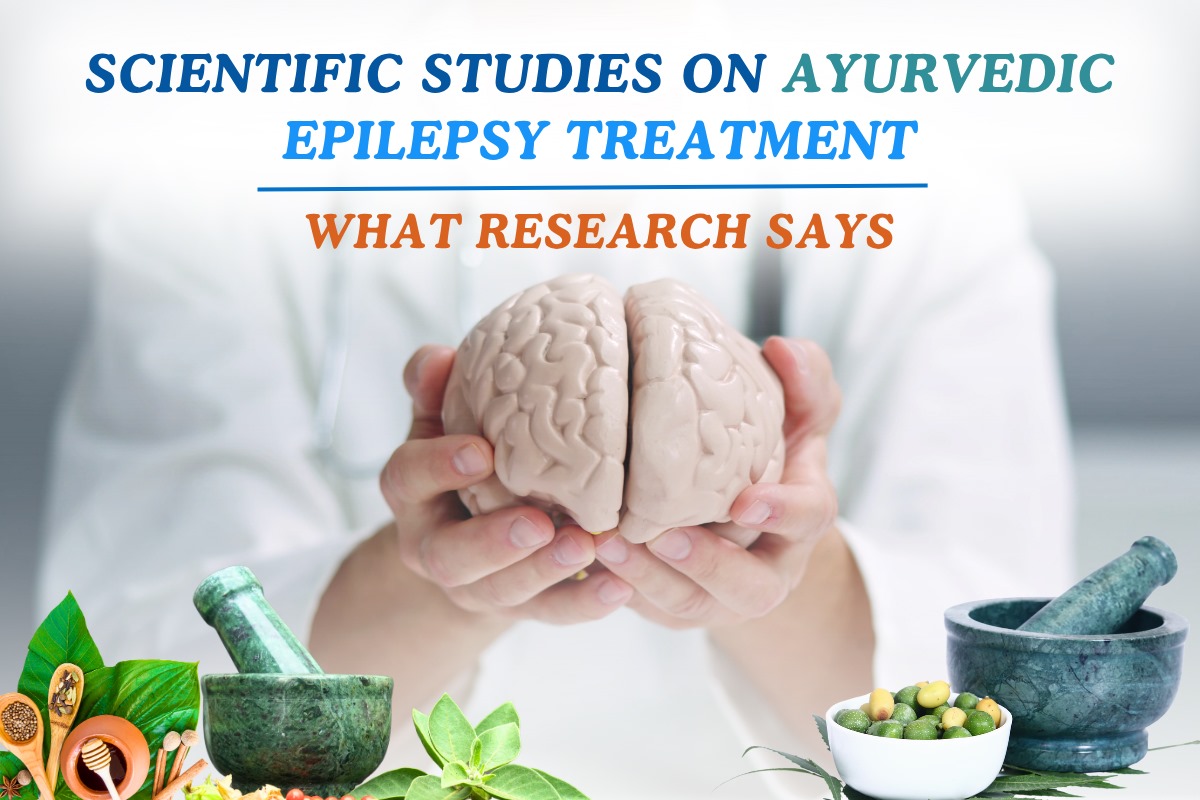
Scientific Studies on Ayurvedic Epilepsy Treatment: What Research Says
read more...
The Role of Fasting & Detox in Ayurvedic Epilepsy Treatment
read more...
Daily Routines (Dinacharya) for Epilepsy Patients According to Ayurveda
read more...
Top Ayurvedic Clinics in India Offering Epilepsy & Seizure Treatment
read more...
The Power of Meditation & Yoga in Epilepsy Management
read more...
Neuroprotective Benefits of Ayurveda in Epilepsy Management
read more...
The Role of Ayurvedic Epilepsy Medicines to Reduce Seizure Frequency
read more...
Diet & Nutrition for Epilepsy: Ayurvedic Foods to Eat & Avoid
read more...
Preventing Epilepsy with Ayurveda: Early Signs to Watch For Epilepsy
read more...
How Ayurveda & Spiritual Healing Work Together for Epilepsy
read more...
Ayurvedic Epilepsy Medicine vs. Allopathy: Which is More Effective
read more...
Seizure Treatment in Ayurveda: Discover the Power of Ayurvedic Epilepsy Medicine
read more...
Ayurvedic Seizure Treatment: Can It Help You Live Seizure-Free?
read more...
Best Epilepsy Treatment in India: Can Ayurveda Completely Cure Epilepsy? Myths vs. Reality
read more...
Best Epilepsy Medicine in India with Ayurveda: Diet, Lifestyle, and Herbal Remedies
read more...
Best Ayurvedic Medicine for Epilepsy: Natural Solutions for Seizure Control
read more...
How Ayurveda Helps Children with Epilepsy: Holistic Seizure Treatment Explained
read more...
Managing Epilepsy Naturally: Ayurvedic Seizure Treatment for Children and Adults
read more...
Best Ayurvedic Clinics for Epilepsy Treatment in India: A Comprehensive Guide
read more...
Best Epilepsy Treatment in India How Ayurveda Offers Hope for Seizure Patients
read more...
Using Ayurvedic Medicines and Herbs for Epilepsy Relief
read more...
The Role of Family Support in Ayurvedic Healing for Epilepsy
read more...
The Importance of Sleep in Managing Epilepsy Naturally
read more...
Maintaining Long-Term Health Post-Epilepsy Treatment with Ayurveda
read more...
The Future of Epilepsy Care: Combining Ayurveda with Modern Medicine
read more...
Natural Remedies for Epilepsy: Ayurveda’s Ancient Secrets Revealed
read more...
How to Find the Right Ayurvedic Specialist for Epilepsy Treatment
read more...
Boosting Brain Health with Ayurveda: Tips for Epilepsy Patients
read more...
Are Brain Cells Degenerated During an Epileptic Seizure
read more...
10 Natural Ways to Increase GABA to Calm the Mind and Reduce Seizures
read more...
Is Epilepsy a Hereditary Disease
read more...
Exploring the Relationship Between Epilepsy Medications, Hair Loss, Weight Loss, and the Benefits of Ayurvedic Formulas
read more...
Photosensitive Epilepsy: Causes, Symptoms, and Treatment
read more...
How does it feel like to have an epileptic parent
read more...
How does epilepsy affect a parent's life
read more...
Ayurveda may be helpful for Seniors with Epilepsy
read more...
Marital Status of Epileptic Patients
read more...
Seniors and Epilepsy / Living with epilepsy as a senior
read more...
How does epilepsy affect you intellectually
read more...
Do people with epilepsy need more sleep
read more...
Can a person with epilepsy go to college
read more...
Does Epilepsy cause memory loss
read more...
If learning fails a memory problem in students with Epilepsy
read more...
What organs are affected by epilepsy?
read more...
How Does Epilepsy Affect Fertility And How Can Ayurveda Help?
read more...
Myths About Epilepsy and Pregnancy
read more...
Is epilepsy a mental illness?
read more...
Can a person with epilepsy get married?
read more...
Post-covid treatment for people with epilepsy: yoga and ayurveda?
read more...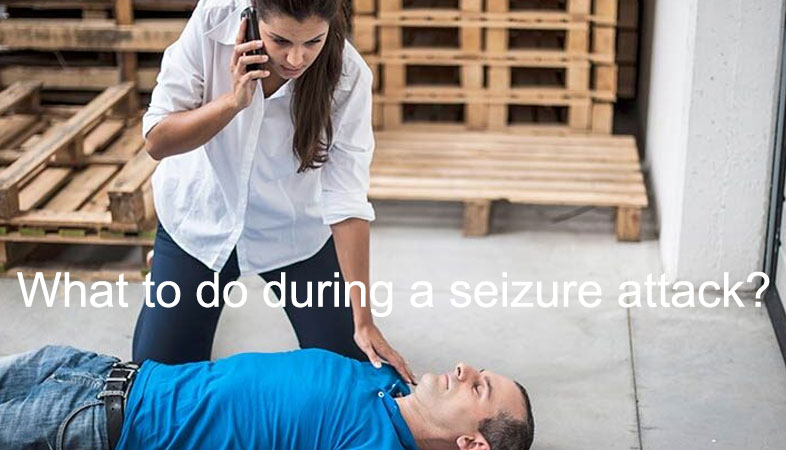
What to do during a seizure attack?
read more...
How safe is it for Epileptic Patients to get Vaccinated for Covid-19
read more...
Nostril breathing treatment to cure seizure disorder
read more...
Control Seizure disorder with Pranayama
read more...
What is Epilepsy
read more...
What is a Seizure?
read more...
Types of Epilepsy and treatment as per Ayurveda
read more...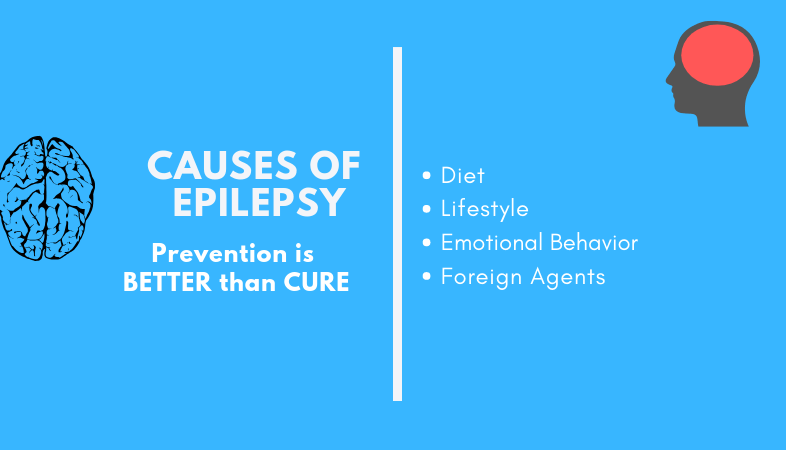
Causes of Epilepsy as per Ayurveda
read more...
Management of Epilepsy as per Ayurveda
read more...
Combination therapy for Epilepsy as per Ayurveda
read more...
Management of Epilepsy during an attack
read more...
Epilepsy Awareness -Know Epilepsy and No fear
read more...
When we beware of Epilepsy then we can be safe from Epilepsy
read more...
Have Epilepsy? Read how to increase immunity through Ayurveda
read more...
Emotional and Behavioral Changes amidst People with Epilepsy
read more...
Caring for someone with Epilepsy
read more...
Depression in Epilepsy
read more...
Copyright @ 2024 Neeraj Clinic. All rights reserved