

The Role of Fasting & Detox in Ayurvedic Epilepsy Treatment
Exploring Ancient Healing Practices for a Balanced Mind and Nervous System. While modern medicine focuses mainly on controlling symptoms through anti-epileptic drugs, Ayurveda — India’s ancient system of holistic healing — approaches epilepsy, or Apasmara, through a deeper understanding of the body-mind connection. One of the most distinctive features of Ayurvedic epilepsy management is the role of fasting (Upavasa) and detoxification (Shodhana) therapies, which help restore doshic balance, cleanse the body, and rejuvenate the nervous system.
In this article, we’ll explore how fasting and detox play a crucial role in the best Ayurvedic epilepsy treatment, their scientific basis, and how leading Ayurvedic hospitals in India combine these ancient techniques with herbal formulations and therapies for effective results.
Understanding Epilepsy in Ayurveda
In Ayurveda, epilepsy is known as Apasmara, derived from the Sanskrit words “Apa” (loss) and “Smara” (memory or consciousness). It signifies the loss of awareness due to an imbalance in the doshas — Vata, Pitta, and Kapha. Among these, Vata dosha, which governs the nervous system and brain activity, plays a key role in triggering seizures when aggravated.
According to classical Ayurvedic texts like Charaka Samhita and Ashtanga Hridaya, the causes of Apasmara include:
- Poor diet (Ahara), such as excessive oily, heavy, or incompatible foods
- Improper lifestyle (Vihara), such as stress, lack of sleep, and overexertion
- Toxic accumulation (Ama) in the body due to poor digestion
- Genetic or karmic factors
Hence, Ayurveda aims not just to suppress seizures, but to detoxify the body, purify the mind, and rejuvenate the nervous system — bringing balance back to the doshas and promoting long-term stability.
The Role of Fasting (Upavasa) in Epilepsy Healing
Fasting, or Upavasa, is an essential part of Ayurvedic healing. It is believed to give the digestive system a much-needed rest, allowing the body to burn accumulated toxins (Ama) and rebalance the doshas. For epilepsy patients, fasting under Ayurvedic supervision can help stabilize Vata and Kapha, which are often disturbed in seizure disorders.
1. How Fasting Helps in Epilepsy
Fasting helps regulate the body’s metabolic and neurological functions. When done correctly, it:
- • Removes toxins from the digestive and nervous systems
- • Reduces inflammation in the brain
- • Improves mental clarity and calms the mind
- • Balances neurotransmitters and electrical activity in the brain
Scientific studies have also supported fasting’s neurological benefits. The ketogenic effect of fasting — where the body burns fat for fuel instead of glucose — has been shown to reduce seizure frequency. This aligns closely with Ayurvedic wisdom that emphasizes detoxification and dietary control as key components of epilepsy care.
2. Types of Fasting Used in Ayurveda
Ayurvedic fasting isn’t about starvation but about eating light, easy-to-digest foods to balance the doshas. Common fasting methods include:
- • Fruit fasting: consuming fruits and herbal teas throughout the day.
- • Liquid fasting: intake of warm water, herbal decoctions, or rice gruel (kanji).
- • Partial fasting: light meals like moong dal soup, vegetable broth, or khichdi.
These methods are customized by Ayurvedic doctors depending on the patient’s body type (Prakriti), seizure pattern, and digestive strength.
3. Precautions and Supervision
Since epilepsy involves the nervous system, fasting must be done under expert Ayurvedic supervision at the best epilepsy hospital in India. Abrupt or prolonged fasting can aggravate Vata and worsen symptoms. Hence, Ayurvedic practitioners ensure a balanced approach — integrating fasting with herbal support, meditation, and lifestyle adjustments.
The Detoxification Process (Shodhana Chikitsa)
Detoxification, or Shodhana Chikitsa, is a key aspect of Ayurvedic epilepsy management. It involves cleansing therapies designed to eliminate Ama (toxins) and rebalance the doshas. Ayurveda believes that the nervous system functions optimally when the body is pure and the digestive fire (Agni) is strong.
The best Ayurvedic epilepsy treatment often includes Panchakarma — a series of five cleansing therapies that rejuvenate both body and mind.
1. Panchakarma Therapies for Epilepsy
The following Panchakarma therapies are commonly prescribed for epilepsy patients:
• Vamana (Therapeutic Emesis): Induces vomiting to remove excess Kapha dosha that may obstruct brain channels.
• Virechana (Purgation Therapy): Eliminates toxins from the liver and intestines, balancing Pitta dosha.
• Basti (Medicated Enema): Helps stabilize Vata dosha, which is primarily responsible for seizures.
• Nasya (Nasal Therapy): Administers medicated oils or herbs through the nostrils to cleanse the brain and sinuses.
• Shirodhara: A continuous stream of warm medicated oil poured over the forehead to calm the mind and improve brain function.
These therapies are carried out under the guidance of expert Ayurvedic doctors at institutions known for providing the best epilepsy treatment in India.
Ayurvedic Medicines for Epilepsy
In addition to fasting and detox, Ayurvedic medicines for epilepsy play a vital role in controlling seizures, strengthening nerves, and improving mental stability. These herbal formulations are safe, non-addictive, and focus on long-term wellness rather than temporary relief.
Some widely used herbs and formulations include:
• Brahmi (Bacopa monnieri): Enhances memory, concentration, and brain function.
• Shankhpushpi (Convolvulus pluricaulis): Acts as a natural tranquillizer and brain tonic.
• Vacha (Acorus calamus): Known for its nerve-calming and detoxifying properties.
• Ashwagandha (Withania somnifera): Reduces stress and strengthens the nervous system.
• Mandukaparni (Centella asiatica): Improves cognitive function and balances Vata.
• Saraswatarishta & Brahmi Vati: Classical Ayurvedic formulations prescribed for epilepsy and mental disorders.
These herbal medicines are personalized according to the patient’s condition and often used alongside therapies and lifestyle recommendations for best results.
Integrating Fasting, Detox, and Diet
Ayurveda believes that food is the first medicine. Along with fasting and detox therapies, maintaining a Sattvic diet — light, pure, and nutritious — is essential. Patients are advised to avoid processed, fried, or excessively spicy foods that increase Vata and Pitta. Instead, the focus is on easily digestible meals like:
• Moong dal khichdi
• Fresh fruits and vegetables
• Herbal teas
• Ghee (clarified butter) for nourishing the nervous system
Combining fasting and detox with this diet helps maintain a clean and calm nervous environment, reducing the chances of seizure recurrence.
Why India Is the Best Destination for Ayurvedic Epilepsy Treatment
India has been the birthplace of Ayurveda for thousands of years, and it continues to lead in offering holistic epilepsy care. The best epilepsy hospital in India combines traditional healing with modern facilities, offering comprehensive programs that include:
• Personalized Ayurvedic diagnosis (Nadi Pariksha)
• Fasting and Panchakarma therapies
• Herbal medication regimens
• Meditation, yoga, and pranayama for mental balance
• Lifestyle and dietary counseling
Renowned centers like the Neeraj Epilepsy Clinic in Rishikesh are known for providing the best seizure treatment in India through holistic detox programs, fasting therapies, and natural Ayurvedic medicines. Patients from across the world visit these centers to seek sustainable healing and freedom from seizure medications.
The Mind-Body Connection in Healing
One of the core principles of Ayurveda is that the mind and body are deeply interconnected. Emotional stress, anxiety, and negative thoughts can trigger or worsen epileptic episodes. That’s why Ayurvedic treatment emphasizes not just physical detox but also mental purification through:
• Meditation and mindfulness
• Yoga asanas that calm the nervous system
• Pranayama (controlled breathing) to improve oxygen flow to the brain
• Mantra chanting and spiritual practices for emotional stability
When the mind is calm, the body naturally follows, leading to a reduction in seizure frequency and intensity.
Conclusion
Fasting and detoxification play a transformative role in Ayurvedic epilepsy treatment. By cleansing the body, balancing the doshas, and calming the mind, these therapies help in achieving lasting relief from seizures without the side effects of conventional drugs.
For those seeking a natural and holistic path to recovery, Ayurvedic centers like the best epilepsy hospital in India offer a beacon of hope. Through a blend of Ayurvedic medicines for epilepsy, customized fasting plans, Panchakarma therapies, and mental rejuvenation techniques, patients can experience true healing from within.
In essence, the Ayurvedic path to epilepsy management is not merely about treatment — it’s about transforming the body and mind to restore harmony, vitality, and peace.
Latest Post
Ayurvedic Epilepsy Treatment Near Me: How to Choose the Right Clinic & Doctors
read more...
Best Ayurvedic Epilepsy Treatment in India: Top Doctors & Ayurvedic Options for Epilepsy Patients
read more...
How to Identify the Early Warning Signs of Epileptic Seizures
read more...
How Ayurveda Balances the Nervous System to Prevent Seizures
read more...
Low-Cost Epilepsy Treatment in India: What Patients Should Know
read more...
Why Ayurveda Is Becoming a Preferred Treatment for Epilepsy in India
read more...
Childhood Epilepsy: Effective Treatment Strategies for Long-Term Recovery
read more...
Scientific Studies on Ayurvedic Epilepsy Treatment: What Research Says
read more...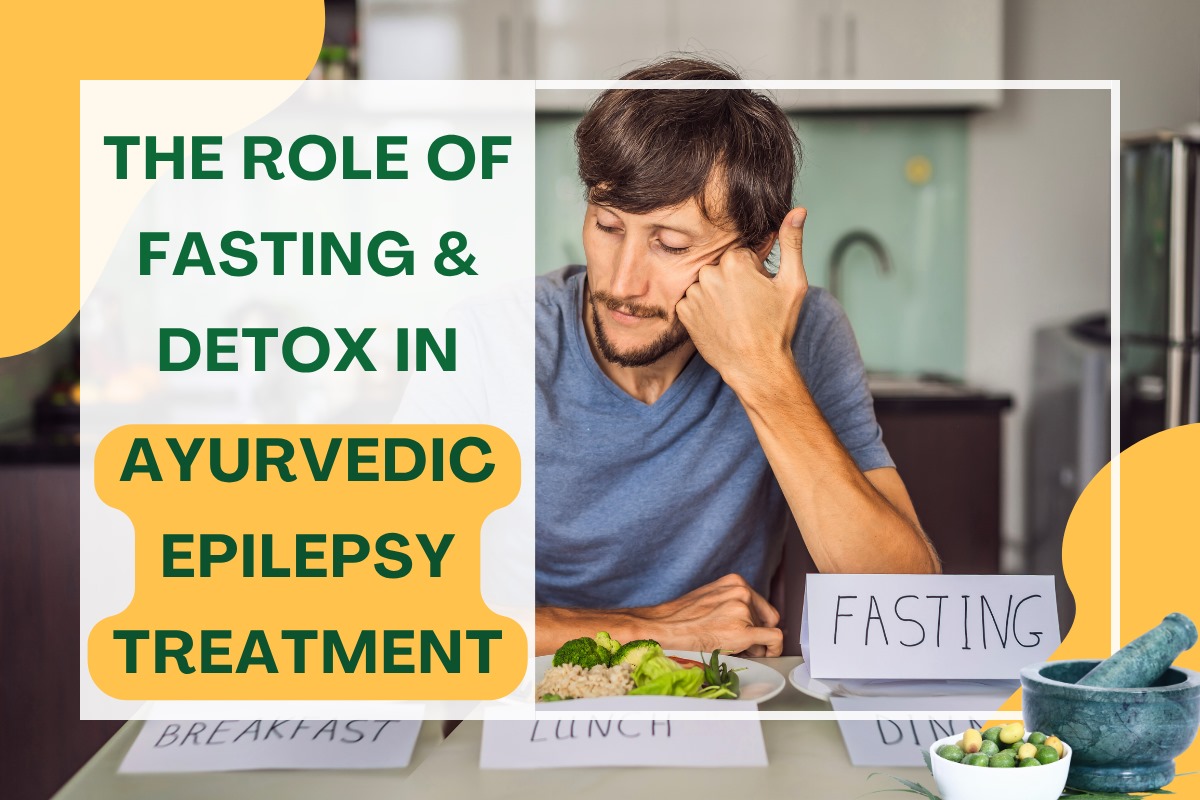
The Role of Fasting & Detox in Ayurvedic Epilepsy Treatment
read more...
Daily Routines (Dinacharya) for Epilepsy Patients According to Ayurveda
read more...
Top Ayurvedic Clinics in India Offering Epilepsy & Seizure Treatment
read more...
The Power of Meditation & Yoga in Epilepsy Management
read more...
Neuroprotective Benefits of Ayurveda in Epilepsy Management
read more...
The Role of Ayurvedic Epilepsy Medicines to Reduce Seizure Frequency
read more...
Diet & Nutrition for Epilepsy: Ayurvedic Foods to Eat & Avoid
read more...
Preventing Epilepsy with Ayurveda: Early Signs to Watch For Epilepsy
read more...
How Ayurveda & Spiritual Healing Work Together for Epilepsy
read more...
Ayurvedic Epilepsy Medicine vs. Allopathy: Which is More Effective
read more...
Seizure Treatment in Ayurveda: Discover the Power of Ayurvedic Epilepsy Medicine
read more...
Ayurvedic Seizure Treatment: Can It Help You Live Seizure-Free?
read more...
Best Epilepsy Treatment in India: Can Ayurveda Completely Cure Epilepsy? Myths vs. Reality
read more...
Best Epilepsy Medicine in India with Ayurveda: Diet, Lifestyle, and Herbal Remedies
read more...
Best Ayurvedic Medicine for Epilepsy: Natural Solutions for Seizure Control
read more...
How Ayurveda Helps Children with Epilepsy: Holistic Seizure Treatment Explained
read more...
Managing Epilepsy Naturally: Ayurvedic Seizure Treatment for Children and Adults
read more...
Best Ayurvedic Clinics for Epilepsy Treatment in India: A Comprehensive Guide
read more...
Best Epilepsy Treatment in India How Ayurveda Offers Hope for Seizure Patients
read more...
Using Ayurvedic Medicines and Herbs for Epilepsy Relief
read more...
The Role of Family Support in Ayurvedic Healing for Epilepsy
read more...
The Importance of Sleep in Managing Epilepsy Naturally
read more...
Maintaining Long-Term Health Post-Epilepsy Treatment with Ayurveda
read more...
The Future of Epilepsy Care: Combining Ayurveda with Modern Medicine
read more...
Natural Remedies for Epilepsy: Ayurveda’s Ancient Secrets Revealed
read more...
How to Find the Right Ayurvedic Specialist for Epilepsy Treatment
read more...
Boosting Brain Health with Ayurveda: Tips for Epilepsy Patients
read more...
Are Brain Cells Degenerated During an Epileptic Seizure
read more...
10 Natural Ways to Increase GABA to Calm the Mind and Reduce Seizures
read more...
Is Epilepsy a Hereditary Disease
read more...
Exploring the Relationship Between Epilepsy Medications, Hair Loss, Weight Loss, and the Benefits of Ayurvedic Formulas
read more...
Photosensitive Epilepsy: Causes, Symptoms, and Treatment
read more...
How does it feel like to have an epileptic parent
read more...
How does epilepsy affect a parent's life
read more...
Ayurveda may be helpful for Seniors with Epilepsy
read more...
Marital Status of Epileptic Patients
read more...
Seniors and Epilepsy / Living with epilepsy as a senior
read more...
How does epilepsy affect you intellectually
read more...
Do people with epilepsy need more sleep
read more...
Can a person with epilepsy go to college
read more...
Does Epilepsy cause memory loss
read more...
If learning fails a memory problem in students with Epilepsy
read more...
What organs are affected by epilepsy?
read more...
How Does Epilepsy Affect Fertility And How Can Ayurveda Help?
read more...
Myths About Epilepsy and Pregnancy
read more...
Is epilepsy a mental illness?
read more...
Can a person with epilepsy get married?
read more...
Post-covid treatment for people with epilepsy: yoga and ayurveda?
read more...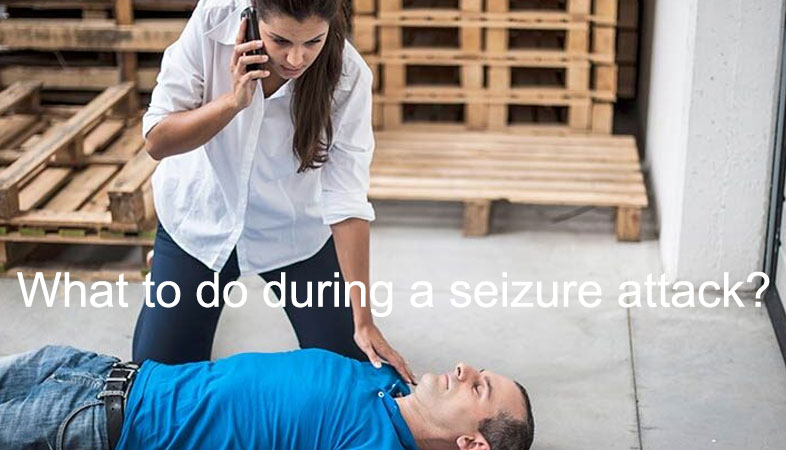
What to do during a seizure attack?
read more...
How safe is it for Epileptic Patients to get Vaccinated for Covid-19
read more...
Nostril breathing treatment to cure seizure disorder
read more...
Control Seizure disorder with Pranayama
read more...
What is Epilepsy
read more...
What is a Seizure?
read more...
Types of Epilepsy and treatment as per Ayurveda
read more...
Causes of Epilepsy as per Ayurveda
read more...
Management of Epilepsy as per Ayurveda
read more...
Combination therapy for Epilepsy as per Ayurveda
read more...
Management of Epilepsy during an attack
read more...
Epilepsy Awareness -Know Epilepsy and No fear
read more...
When we beware of Epilepsy then we can be safe from Epilepsy
read more...
Have Epilepsy? Read how to increase immunity through Ayurveda
read more...
Emotional and Behavioral Changes amidst People with Epilepsy
read more...
Caring for someone with Epilepsy
read more...
Depression in Epilepsy
read more...
Copyright @ 2024 Neeraj Clinic. All rights reserved