

Low-Cost Epilepsy Treatment in India: What Patients Should Know
Epilepsy — known in everyday language as “मिर्गी” — is a neurological disorder that affects millions of people globally, and India is no exception. With over 1.2 crore people affected by epilepsy in India, the condition is widespread yet treatable. However, social stigma, limited access to care, and the cost of treatment remain substantial barriers for many patients. Understanding the various treatment options — from conventional allopathy to Ayurvedic approaches — can empower people and families to make informed, cost-effective decisions about care.
Understanding Epilepsy and Its Treatment Needs
Epilepsy is a chronic neurological disorder marked by recurrent seizures. These seizures vary from brief lapses in awareness to intense convulsions and can significantly impact a person’s quality of life if untreated. While medications control seizures in approximately 70%–75% of patients, about 25% do not respond adequately and may require advanced treatment options such as surgery or device-based therapies.
In India, the cost of treatment can range widely — from relatively inexpensive medication and consultations to high-end surgical procedures for drug-resistant epilepsy.
Why India Is an Affordable Option for Epilepsy Care
India is increasingly recognized for providing affordable, high-quality neurological care. Factors contributing to cost-effective epilepsy management include:
• Lower treatment costs compared to Western countries.
• Availability of generic anti-epileptic drugs, which significantly reduce monthly medicine costs.
• Advanced surgical techniques offered at competitive prices.
• Ancillary lifestyle and dietary therapies that can complement medical care.
Standard medication costs in India can be as low as ₹500–₹3,000 per month, with consultations often under ₹2,000, making India a viable option for many families seeking best epilepsy treatment in India.
Best Epilepsy Treatment in India: Conventional and Surgical Options
When people talk about the best epilepsy treatment in India, they usually mean quality care that effectively controls seizures with minimal side effects. In most cases, this begins with anti-seizure medications (anti-epileptic drugs or AEDs) managed by neurologists.
Allopathic Epilepsy Treatment (Standard Care)
The conventional path to controlling epilepsy typically includes:
• Thorough neurological evaluations including EEG, MRI, and other imaging studies to identify seizure type and cause.
• Prescription of anti-epileptic medication based on seizure pattern and patient health.
• Regular follow-ups to monitor efficacy and adjust treatment as needed.
Advanced Surgical Treatments
For patients whose seizures aren’t controlled by medication, epilepsy surgery can be an effective option. India now offers advanced minimally invasive techniques that reduce cost and recovery time.
For example, the AIIMS Delhi developed ‘ROTEK’ robotic epilepsy surgery — a minimally-invasive technique that targets the seizure focus without opening the skull, often allowing patients to return home within 24 hours and with high success rates.
Compared to older, extensive procedures (which could cost ₹10–12 lakh), this approach is far more economical, often around ₹1.25–1.5 lakh in select centers — making it a significant step toward affordable advanced care.
Best Epilepsy Hospital in India
If you are seeking the best epilepsy hospital in India, several major centers provide comprehensive care:
• Neeraj Epilepsy Clinic - Get expert care from the best epilepsy specialists in India at Neeraj Epilepsy Clinic—India’s trusted center for advanced seizure treatment, helping patients move toward an epilepsy-free life since 1985.
• AIIMS (All India Institute of Medical Sciences), Delhi – renowned for surgical innovation like ROTEK epilepsy procedures.
• NIMHANS (Bangalore) – a leading neurological institute with specialized epilepsy diagnostics and treatment services.
• Medanta – The Medicity (Gurugram) – known for multidisciplinary neurologic care.
• Max Super Specialty Hospital (Delhi) – offers advanced neuro-care including epilepsy monitoring units.
• Kokilaben Dhirubhai Ambani Hospital (Mumbai) – provides modern EEG, neuroimaging and epilepsy surgery options.
These institutions often have subsidized or flexible payment options and patient support programs to make execution of complex treatments more affordable.
Low-Cost Epilepsy Treatment Strategies
Not all epilepsy management requires expensive tests or surgery. Patients can significantly reduce costs through:
Generic Medications
Indian pharmaceutical companies manufacture a range of generic anti-epileptic drugs that control seizures efficiently at a small fraction of branded drug prices. These are widely available and often covered under health insurance or government schemes.
Government and Public Hospital Programs
Many government hospitals and institutes provide subsidized consultation, diagnostics, and long-term medication support. These services can make best epilepsy treatment in India accessible to low-income families.
Insurance and Financial Aid
While pre-existing conditions can complicate epilepsy insurance claims, exploring public health insurance schemes and community support groups can lessen out-of-pocket expenses.
Ayurvedic Approaches: Best Ayurvedic Epilepsy Treatment
Alongside conventional care, many patients in India explore Ayurvedic therapies — rooted in traditional medicine — as supportive or alternative treatment pathways.
What Ayurveda Offers
Ayurveda views epilepsy as an imbalance of bodily energies (doshas) and aims to treat the underlying imbalances using herbs, detoxification, and lifestyle changes.
Ayurvedic management may include:
• Herbs like Brahmi, Vacha, Saraswatarishta, and other nervine tonics that support neurological function.
• Panchakarma therapies to cleanse the body and calm aggravated doshas (e.g., Nasya, Virechana).
• Diet and lifestyle modifications to reduce seizure triggers.
When considering the best Ayurvedic epilepsy medicine or best Ayurvedic seizure treatment, it’s crucial to consult qualified Ayurvedic practitioners experienced in neurological conditions. Practices vary widely, and professional guidance helps ensure safety and an integrated plan with conventional care.
Affordable Ayurvedic Treatment: Costs and Accessibility
Ayurvedic epilepsy treatment tends to be significantly less expensive than lifelong allopathic medication or surgery. Typical costs for Ayurvedic consultations in cities like Delhi can range from ₹500 to ₹2,000, with treatment plans tailored to individual needs. Many patients choose long-term Ayurvedic therapy as a cost-saving approach or to reduce dependency on medications.
However, it’s important to:
• Avoid unverified claims of instant cures.
• Use Ayurvedic medicines as part of a broader treatment plan.
• Discuss all treatments with your neurologist to avoid interactions.
Choosing the Right Treatment Path
Selecting the best approach depends on several factors:
Severity and Type of Epilepsy
Milder forms that respond well to medication may not require surgery or intensive Ayurvedic therapy. Drug-resistant cases might need surgical options at leading epilepsy hospitals.
Cost Considerations
Treatments like EEG, regular medications, and Ayurvedic therapies can be highly affordable in India, while advanced surgeries are costlier but still cheaper than in many Western countries.
Patient Preference and Quality of Life
Some patients choose an integrated plan — combining allopathic medication with diet, psychological support, and complementary therapies like Ayurveda to reduce seizure frequency and improve overall well-being.
Conclusion: Affordable and Effective Epilepsy Care in India
India offers a wide spectrum of epilepsy care — from accessible medication and generic drugs to advanced surgical techniques and traditional Ayurvedic therapies. Patients who:
• Seek timely diagnosis and adhere to treatment plans,
• Leverage public health programs or low-cost hospitals, and
• Consult qualified professionals in either allopathic or Ayurvedic systems —
can find effective, affordable management for epilepsy. With a focus on quality care and cost-savings, India remains a valuable option for patients seeking the best epilepsy treatment in India — whether it’s the best epilepsy hospital in India, the best Ayurvedic seizure treatment, or trusted best Ayurvedic epilepsy medicine.
If you or a loved one is navigating epilepsy care, remember: early intervention, good medical guidance, and thoughtful choices can significantly improve outcomes and quality of life.
Latest Post

How the Low-Cost Ayurvedic Epilepsy Medicine Supports Brain Health & Results
read more...
Best Ayurvedic Epilepsy Medicine to Strengthen Brain Function Naturally
read more...
Diet Tips Recommended by the Best Ayurvedic Doctor for Epilepsy
read more...
How Ayurveda Helps Manage Epilepsy Without Harsh Side Effects
read more...
Best Ayurvedic Epilepsy Treatment in India for Children and Adults
read more...
Best Ayurvedic Epilepsy Medicine That Supports Nervous System Healing
read more...
Benefits of Visiting the Best Epilepsy Hospital in India for Integrated Care
read more...
Signs You Need the Best Ayurvedic Doctor for Epilepsy in India
read more...
Integrative Treatment: Combining Ayurvedic and Modern Neurological Care
read more...
Best Ayurvedic Epilepsy Medicine for Long-Term Brain Balance
read more...
Types of Epileptic Seizures: A Simple Guide for Families
read more...
How Stress & Sleep Affect Seizures — And Ayurvedic Ways to Improve Both
read more...
Ayurvedic Epilepsy Treatment Near Me: How to Choose the Right Clinic & Doctors
read more...
Best Ayurvedic Epilepsy Treatment in India: Top Doctors & Ayurvedic Options for Epilepsy Patients
read more...
How to Identify the Early Warning Signs of Epileptic Seizures
read more...
How Ayurveda Balances the Nervous System to Prevent Seizures
read more...
Low-Cost Epilepsy Treatment in India: What Patients Should Know
read more...
Why Ayurveda Is Becoming a Preferred Treatment for Epilepsy in India
read more...
Childhood Epilepsy: Effective Treatment Strategies for Long-Term Recovery
read more...
Scientific Studies on Ayurvedic Epilepsy Treatment: What Research Says
read more...
The Role of Fasting & Detox in Ayurvedic Epilepsy Treatment
read more...
Daily Routines (Dinacharya) for Epilepsy Patients According to Ayurveda
read more...
Top Ayurvedic Clinics in India Offering Epilepsy & Seizure Treatment
read more...
The Power of Meditation & Yoga in Epilepsy Management
read more...
Neuroprotective Benefits of Ayurveda in Epilepsy Management
read more...
The Role of Ayurvedic Epilepsy Medicines to Reduce Seizure Frequency
read more...
Diet & Nutrition for Epilepsy: Ayurvedic Foods to Eat & Avoid
read more...
Preventing Epilepsy with Ayurveda: Early Signs to Watch For Epilepsy
read more...
How Ayurveda & Spiritual Healing Work Together for Epilepsy
read more...
Ayurvedic Epilepsy Medicine vs. Allopathy: Which is More Effective
read more...
Seizure Treatment in Ayurveda: Discover the Power of Ayurvedic Epilepsy Medicine
read more...
Ayurvedic Seizure Treatment: Can It Help You Live Seizure-Free?
read more...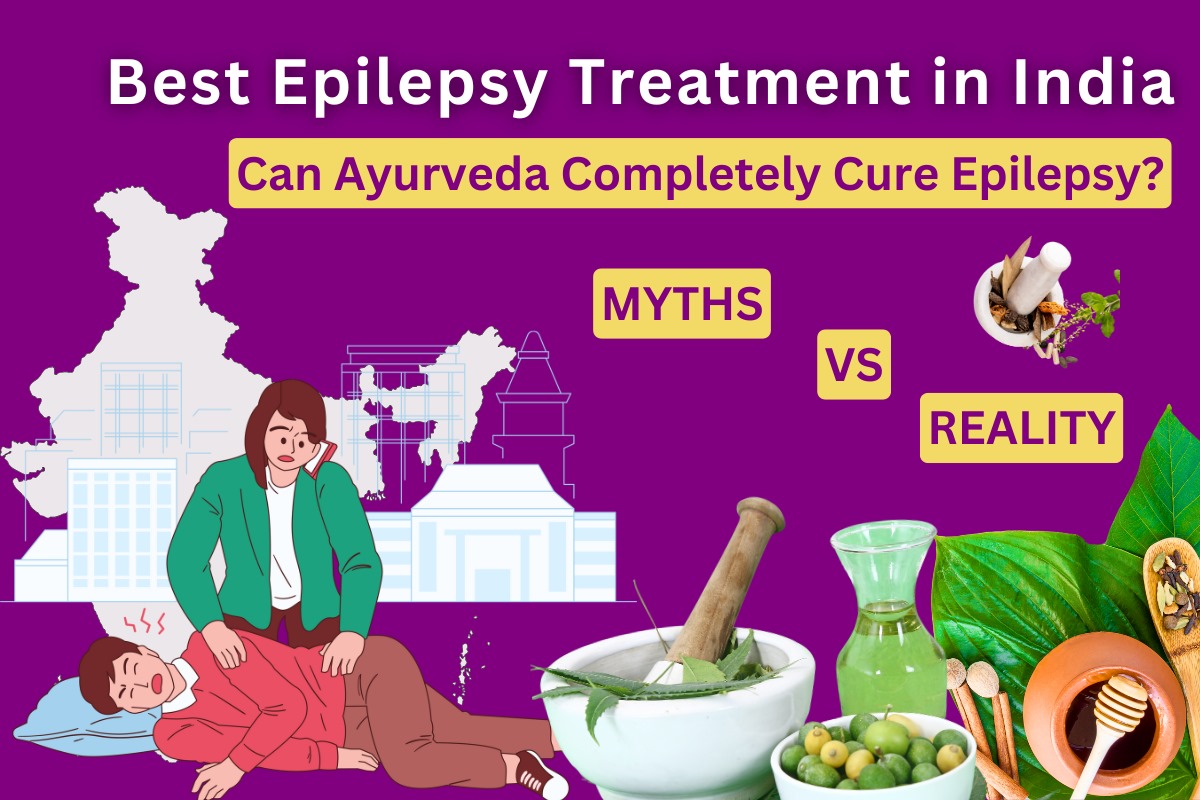
Best Epilepsy Treatment in India: Can Ayurveda Completely Cure Epilepsy? Myths vs. Reality
read more...
Best Epilepsy Medicine in India with Ayurveda: Diet, Lifestyle, and Herbal Remedies
read more...
Best Ayurvedic Medicine for Epilepsy: Natural Solutions for Seizure Control
read more...
How Ayurveda Helps Children with Epilepsy: Holistic Seizure Treatment Explained
read more...
Managing Epilepsy Naturally: Ayurvedic Seizure Treatment for Children and Adults
read more...
Best Ayurvedic Clinics for Epilepsy Treatment in India: A Comprehensive Guide
read more...
Best Epilepsy Treatment in India How Ayurveda Offers Hope for Seizure Patients
read more...
Using Ayurvedic Medicines and Herbs for Epilepsy Relief
read more...
The Role of Family Support in Ayurvedic Healing for Epilepsy
read more...
The Importance of Sleep in Managing Epilepsy Naturally
read more...
Maintaining Long-Term Health Post-Epilepsy Treatment with Ayurveda
read more...
The Future of Epilepsy Care: Combining Ayurveda with Modern Medicine
read more...
Natural Remedies for Epilepsy: Ayurveda’s Ancient Secrets Revealed
read more...
How to Find the Right Ayurvedic Specialist for Epilepsy Treatment
read more...
Boosting Brain Health with Ayurveda: Tips for Epilepsy Patients
read more...
Are Brain Cells Degenerated During an Epileptic Seizure
read more...
10 Natural Ways to Increase GABA to Calm the Mind and Reduce Seizures
read more...
Is Epilepsy a Hereditary Disease
read more...
Exploring the Relationship Between Epilepsy Medications, Hair Loss, Weight Loss, and the Benefits of Ayurvedic Formulas
read more...
Photosensitive Epilepsy: Causes, Symptoms, and Treatment
read more...
How does it feel like to have an epileptic parent
read more...
How does epilepsy affect a parent's life
read more...
Ayurveda may be helpful for Seniors with Epilepsy
read more...
Marital Status of Epileptic Patients
read more...
Seniors and Epilepsy / Living with epilepsy as a senior
read more...
How does epilepsy affect you intellectually
read more...
Do people with epilepsy need more sleep
read more...
Can a person with epilepsy go to college
read more...
Does Epilepsy cause memory loss
read more...
If learning fails a memory problem in students with Epilepsy
read more...
What organs are affected by epilepsy?
read more...
How Does Epilepsy Affect Fertility And How Can Ayurveda Help?
read more...
Myths About Epilepsy and Pregnancy
read more...
Is epilepsy a mental illness?
read more...
Can a person with epilepsy get married?
read more...
Post-covid treatment for people with epilepsy: yoga and ayurveda?
read more...
What to do during a seizure attack?
read more...
How safe is it for Epileptic Patients to get Vaccinated for Covid-19
read more...
Nostril breathing treatment to cure seizure disorder
read more...
Control Seizure disorder with Pranayama
read more...
What is Epilepsy
read more...
What is a Seizure?
read more...
Types of Epilepsy and treatment as per Ayurveda
read more...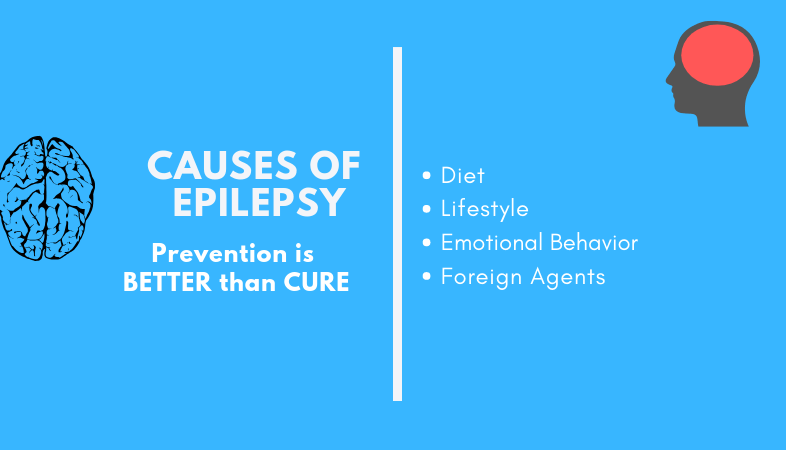
Causes of Epilepsy as per Ayurveda
read more...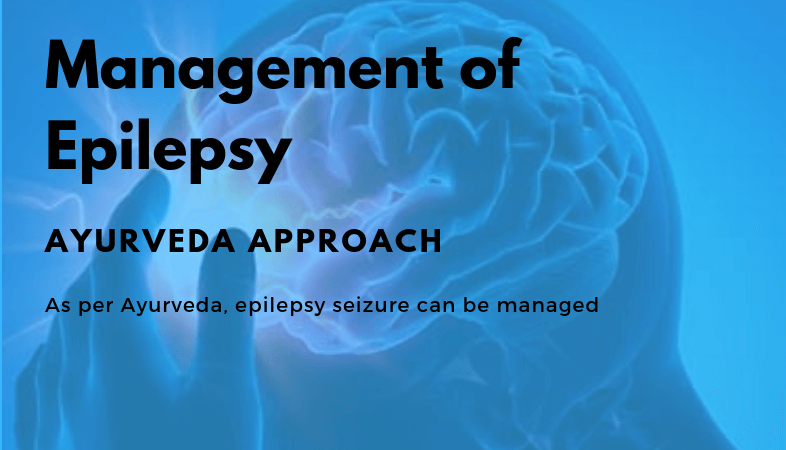
Management of Epilepsy as per Ayurveda
read more...
Combination therapy for Epilepsy as per Ayurveda
read more...
Management of Epilepsy during an attack
read more...
Epilepsy Awareness -Know Epilepsy and No fear
read more...
When we beware of Epilepsy then we can be safe from Epilepsy
read more...
Have Epilepsy? Read how to increase immunity through Ayurveda
read more...
Emotional and Behavioral Changes amidst People with Epilepsy
read more...
Caring for someone with Epilepsy
read more...
Depression in Epilepsy
read more...
Copyright @ 2024 Neeraj Clinic. All rights reserved