

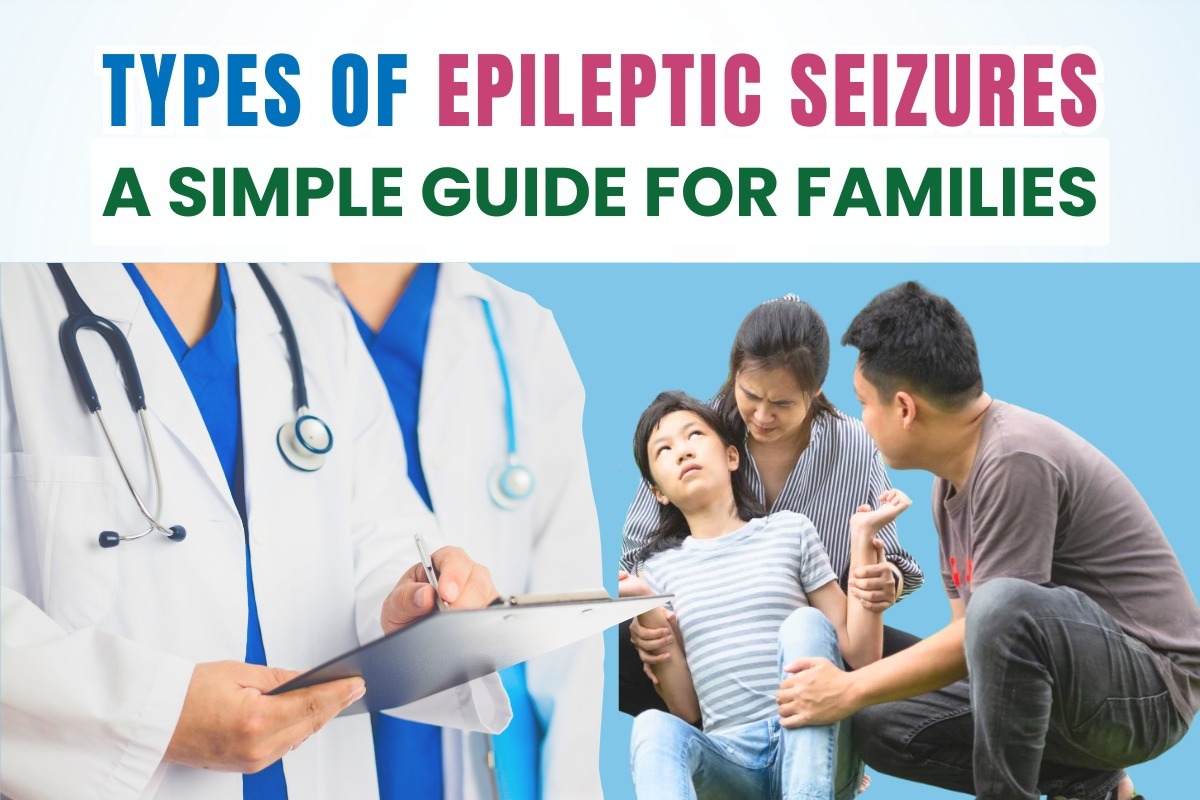
Types of Epileptic Seizures: A Simple Guide for Families
It occurs when there is abnormal electrical activity in the brain, leading to seizures. For families living with epilepsy, understanding the different types of seizures can make a big difference in managing the condition and supporting the patient effectively.
Seizures may look different from one person to another. Some people may experience shaking and loss of consciousness, while others may simply stare blankly for a few seconds. Recognizing these seizure types helps families respond quickly and seek appropriate care, including options such as the best Ayurvedic epilepsy treatment in India or modern neurological treatment.
This simple guide explains the main types of epileptic seizures, their symptoms, and how families can support patients through proper treatment, lifestyle care, and awareness.
Understanding Epileptic Seizures
A seizure occurs when there is a sudden burst of abnormal electrical signals in the brain. These signals temporarily affect how the brain works, which may lead to changes in movement, behavior, awareness, or sensation.
Seizures are generally divided into two major categories:
1. Focal Seizures (Partial Seizures)
2. Generalized Seizures
Knowing the type of seizure helps doctors choose the most effective treatment plan. Many families today also explore supportive approaches such as Ayurveda and natural therapies alongside conventional medicine.
1. Focal Seizures (Partial Seizures)
Focal seizures begin in one specific area of the brain. Symptoms are directly linked to the injured brain site.
Focal Aware Seizures
In focal aware seizures, the person remains conscious and aware during the seizure.
Common symptoms include:
• Sudden emotional changes
• Unusual smells or tastes
• Tingling sensations
• Jerking movements in one part of the body
• Dizziness or visual disturbances
These seizures may last only a few seconds or minutes. Even though they are mild, they may sometimes develop into more severe seizures.
Families should observe these symptoms carefully and consult the best Ayurvedic doctor for epilepsy treatment or a neurologist to ensure proper diagnosis and care.
Focal Impaired Awareness Seizures
In these seizures, the person may lose awareness of their surroundings.
Common signs include:
• Blank staring
• Repetitive movements like lip-smacking
• Wandering or confusion
• Inability to respond when spoken to
These seizures usually last between 30 seconds and two minutes. After the seizure, the person may feel tired or confused.
The best Ayurvedic seizure treatment in India often focuses on balancing the nervous system and strengthening brain health through lifestyle practices, detox therapies, and herbs.
2. Generalized Seizures
Seizure activity that starts simultaneously over both sides of the brain. They are usually more noticeable and may involve loss of consciousness.
There are several types of generalized seizures.
Absence Seizures
Absence seizures are more common in children. They may appear as brief episodes of staring or daydreaming.
Typical symptoms include:
• Sudden blank stare
• Rapid blinking
• Subtle body movements
• Lack of response for a few seconds
These seizures usually last less than 15 seconds and may occur multiple times a day.
Early diagnosis and treatment are important because frequent absence seizures can affect a child’s learning and concentration.
Many families look for supportive options such as best Ayurvedic epilepsy medicines that help strengthen cognitive function and reduce seizure frequency naturally.
Tonic Seizures
Tonic seizures cause sudden stiffening of the muscles. They often occur during sleep.
Symptoms may include:
• Muscle stiffness
• Sudden falling
• Loss of balance
• Brief loss of awareness
These seizures usually last less than 20 seconds but can cause injuries if the person falls.
Proper medical supervision and a safe environment at home are essential to reduce risks.
Atonic Seizures
Atonic seizures are sometimes called “drop attacks.” They cause a sudden loss of muscle tone.
Common signs include:
• Sudden collapse
• Head dropping forward
• Weakness in muscles
This period begins immediately when a seizure subsides and lasts until the patient returns to their normal baseline. Because these seizures happen suddenly, protective helmets or safety measures may be recommended for patients who experience frequent episodes.
Clonic Seizures
Clonic seizures involve repeated rhythmic jerking of muscles.
Symptoms include:
• Continuous jerking movements
• Muscle spasms
• Changes in consciousness
These seizures are less common but can last several minutes and require medical attention.
Supportive care through neurological treatment combined with the best Ayurvedic epilepsy treatment in India may help improve long-term management for some patients.
Tonic-Clonic Seizures
Tonic-clonic seizures are the most widely recognized type of seizure and were previously called “grand mal seizures.”
They occur in two stages:
Tonic phase:
• Body stiffens
• Loss of consciousness
• Breathing may become irregular
Clonic phase:
• Rhythmic jerking movements
• Possible tongue biting
• Loss of bladder control
These seizures usually last between one and three minutes. Afterward, the person may feel exhausted, confused, or sleepy.
Immediate medical care and proper treatment are essential for managing these seizures effectively.
How Families Can Recognize a Seizure
Families play a crucial role in identifying seizures and providing first aid.
Some warning signs may appear before a seizure, including:
• Sudden mood changes
• Headache
• Dizziness
• Strange sensations
• Confusion
If these symptoms appear frequently, it is important to consult a specialist.
Early treatment, including options such as low cost epilepsy medicine in India, can significantly improve a patient’s quality of life.
First Aid During a Seizure
Knowing how to respond during a seizure can prevent injuries and complications.
Families should follow these steps:
1. Stay calm and note the time.
2. Gently move dangerous objects away from the person.
3. Place the person on their side to keep the airway clear.
4. Do not put anything in the person’s mouth.
5. Loosen tight clothing around the neck.
6. Stay with the person until the seizure ends.
If the seizure lasts longer than five minutes, emergency medical care should be sought immediately.
Ayurvedic Perspective on Epilepsy
In Ayurveda, epilepsy is known as Apasmara, which is believed to occur due to imbalances in the body's doshas (Vata, Pitta, and Kapha) along with disturbances in mental health and nervous system functioning.
Ayurvedic treatment focuses on:
• Detoxification therapies (Panchakarma)
• Herbal formulations
• Diet correction
• Lifestyle balance
• Stress reduction
These approaches aim to strengthen brain function and reduce seizure frequency naturally.
Many patients explore the best Ayurvedic epilepsy medicines that contain herbs traditionally used for neurological health.
Affordable Treatment Options in India
India has become a global destination for both modern and traditional epilepsy treatments. Many clinics offer specialized care at affordable prices.
Families searching for low-cost epilepsy treatment in India often find a combination of medical treatment, Ayurvedic therapies, and lifestyle guidance helpful in long-term epilepsy management.
Consulting experienced doctors ensures that treatment plans are safe, effective, and personalized for each patient.
Supporting a Loved One with Epilepsy
Living with epilepsy can be challenging, but family support makes a significant difference.
Supportive steps:
• Seizure types learning
• Create a seizure note diary
• Ensuring regular medication
• Reducing stress and sleep deprivation
• Creating a safe home environment
Families should also encourage open communication so that patients feel comfortable discussing their symptoms and concerns.
Conclusion
Understanding the different types of epileptic seizures is the first step toward better care and management. Each seizure type has unique symptoms, and recognizing them helps families respond appropriately and seek timely medical advice.
With proper diagnosis, supportive care, and access to treatments such as the best Ayurvedic epilepsy treatment in India, many people with epilepsy can lead healthy and fulfilling lives.
By combining medical guidance, natural therapies, and strong family support, patients can manage epilepsy effectively and improve their overall quality of life.
FAQs
1. What are the main types of epileptic seizures?
The main types are focal seizures and generalized seizures. Generalized seizures include absence, tonic, atonic, clonic, and tonic-clonic seizures.
2. Can epilepsy be treated naturally with Ayurveda?
Ayurveda focuses on balancing the body and strengthening the nervous system using herbs, detox therapies, and lifestyle changes. Many patients explore the best Ayurvedic seizure treatment in India as supportive care.
3. How can families help someone during a seizure?
Stay calm, place the person on their side, move objects away, and avoid putting anything in their mouth. Seek medical help if the seizure lasts longer than five minutes.
4. Are Ayurvedic medicines helpful for epilepsy?
Many patients use best Ayurvedic epilepsy medicines to support brain health and reduce seizure frequency under medical supervision.
5. Is epilepsy treatment affordable in India?
Yes, India offers many hospitals and clinics that provide low-cost epilepsy treatment in India, making quality care accessible to many patients.
Latest Post
Types of Epileptic Seizures: A Simple Guide for Families
read more...
How Stress & Sleep Affect Seizures — And Ayurvedic Ways to Improve Both
read more...
Ayurvedic Epilepsy Treatment Near Me: How to Choose the Right Clinic & Doctors
read more...
Best Ayurvedic Epilepsy Treatment in India: Top Doctors & Ayurvedic Options for Epilepsy Patients
read more...
How to Identify the Early Warning Signs of Epileptic Seizures
read more...
How Ayurveda Balances the Nervous System to Prevent Seizures
read more...
Low-Cost Epilepsy Treatment in India: What Patients Should Know
read more...
Why Ayurveda Is Becoming a Preferred Treatment for Epilepsy in India
read more...
Childhood Epilepsy: Effective Treatment Strategies for Long-Term Recovery
read more...
Scientific Studies on Ayurvedic Epilepsy Treatment: What Research Says
read more...
The Role of Fasting & Detox in Ayurvedic Epilepsy Treatment
read more...
Daily Routines (Dinacharya) for Epilepsy Patients According to Ayurveda
read more...
Top Ayurvedic Clinics in India Offering Epilepsy & Seizure Treatment
read more...
The Power of Meditation & Yoga in Epilepsy Management
read more...
Neuroprotective Benefits of Ayurveda in Epilepsy Management
read more...
The Role of Ayurvedic Epilepsy Medicines to Reduce Seizure Frequency
read more...
Diet & Nutrition for Epilepsy: Ayurvedic Foods to Eat & Avoid
read more...
Preventing Epilepsy with Ayurveda: Early Signs to Watch For Epilepsy
read more...
How Ayurveda & Spiritual Healing Work Together for Epilepsy
read more...
Ayurvedic Epilepsy Medicine vs. Allopathy: Which is More Effective
read more...
Seizure Treatment in Ayurveda: Discover the Power of Ayurvedic Epilepsy Medicine
read more...
Ayurvedic Seizure Treatment: Can It Help You Live Seizure-Free?
read more...
Best Epilepsy Treatment in India: Can Ayurveda Completely Cure Epilepsy? Myths vs. Reality
read more...
Best Epilepsy Medicine in India with Ayurveda: Diet, Lifestyle, and Herbal Remedies
read more...
Best Ayurvedic Medicine for Epilepsy: Natural Solutions for Seizure Control
read more...
How Ayurveda Helps Children with Epilepsy: Holistic Seizure Treatment Explained
read more...
Managing Epilepsy Naturally: Ayurvedic Seizure Treatment for Children and Adults
read more...
Best Ayurvedic Clinics for Epilepsy Treatment in India: A Comprehensive Guide
read more...
Best Epilepsy Treatment in India How Ayurveda Offers Hope for Seizure Patients
read more...
Using Ayurvedic Medicines and Herbs for Epilepsy Relief
read more...
The Role of Family Support in Ayurvedic Healing for Epilepsy
read more...
The Importance of Sleep in Managing Epilepsy Naturally
read more...
Maintaining Long-Term Health Post-Epilepsy Treatment with Ayurveda
read more...
The Future of Epilepsy Care: Combining Ayurveda with Modern Medicine
read more...
Natural Remedies for Epilepsy: Ayurveda’s Ancient Secrets Revealed
read more...
How to Find the Right Ayurvedic Specialist for Epilepsy Treatment
read more...
Boosting Brain Health with Ayurveda: Tips for Epilepsy Patients
read more...
Are Brain Cells Degenerated During an Epileptic Seizure
read more...
10 Natural Ways to Increase GABA to Calm the Mind and Reduce Seizures
read more...
Is Epilepsy a Hereditary Disease
read more...
Exploring the Relationship Between Epilepsy Medications, Hair Loss, Weight Loss, and the Benefits of Ayurvedic Formulas
read more...
Photosensitive Epilepsy: Causes, Symptoms, and Treatment
read more...
How does it feel like to have an epileptic parent
read more...
How does epilepsy affect a parent's life
read more...
Ayurveda may be helpful for Seniors with Epilepsy
read more...
Marital Status of Epileptic Patients
read more...
Seniors and Epilepsy / Living with epilepsy as a senior
read more...
How does epilepsy affect you intellectually
read more...
Do people with epilepsy need more sleep
read more...
Can a person with epilepsy go to college
read more...
Does Epilepsy cause memory loss
read more...
If learning fails a memory problem in students with Epilepsy
read more...
What organs are affected by epilepsy?
read more...
How Does Epilepsy Affect Fertility And How Can Ayurveda Help?
read more...
Myths About Epilepsy and Pregnancy
read more...
Is epilepsy a mental illness?
read more...
Can a person with epilepsy get married?
read more...
Post-covid treatment for people with epilepsy: yoga and ayurveda?
read more...
What to do during a seizure attack?
read more...
How safe is it for Epileptic Patients to get Vaccinated for Covid-19
read more...
Nostril breathing treatment to cure seizure disorder
read more...
Control Seizure disorder with Pranayama
read more...
What is Epilepsy
read more...
What is a Seizure?
read more...
Types of Epilepsy and treatment as per Ayurveda
read more...
Causes of Epilepsy as per Ayurveda
read more...
Management of Epilepsy as per Ayurveda
read more...
Combination therapy for Epilepsy as per Ayurveda
read more...
Management of Epilepsy during an attack
read more...
Epilepsy Awareness -Know Epilepsy and No fear
read more...
When we beware of Epilepsy then we can be safe from Epilepsy
read more...
Have Epilepsy? Read how to increase immunity through Ayurveda
read more...
Emotional and Behavioral Changes amidst People with Epilepsy
read more...
Caring for someone with Epilepsy
read more...
Depression in Epilepsy
read more...
Copyright @ 2024 Neeraj Clinic. All rights reserved