
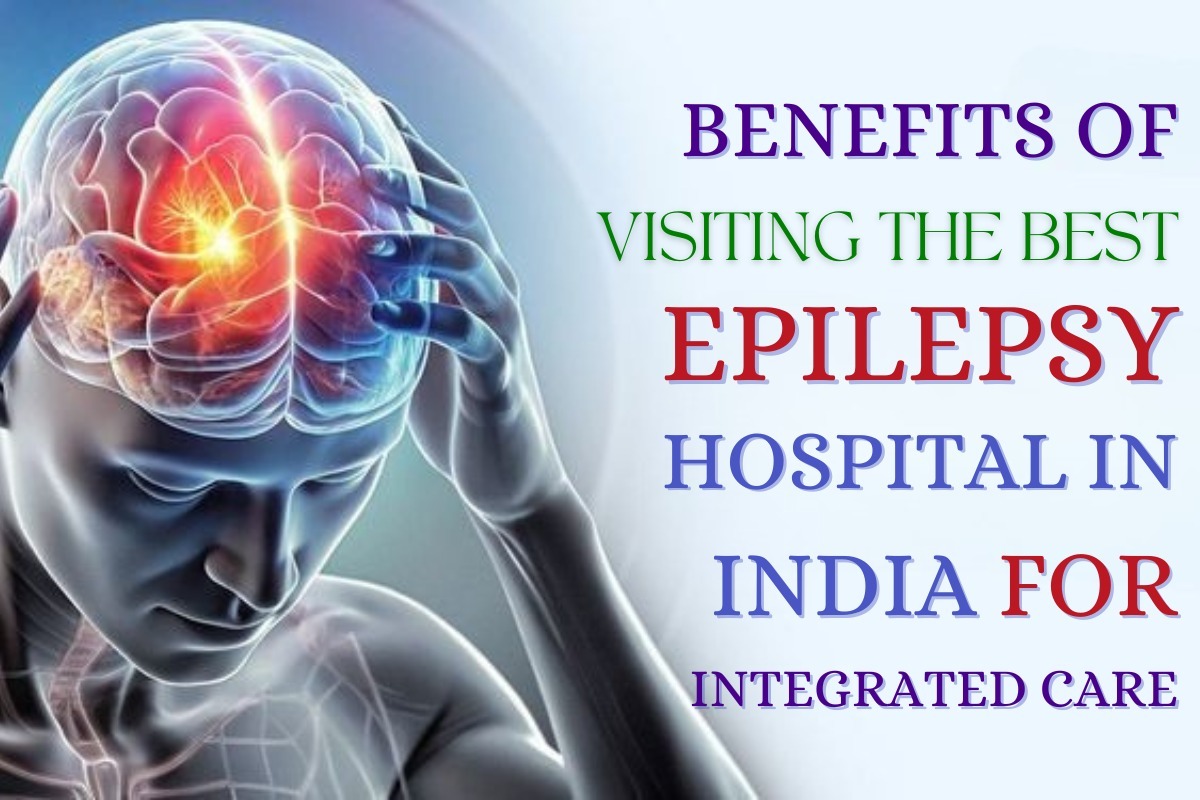
Benefits of Visiting the Best Epilepsy Hospital in India for Integrated Care
One of the major benefits of visiting a center known for the best Ayurvedic epilepsy treatment in India is the focus on individualized care. Unlike standardized treatment protocols, integrated hospitals evaluate each patient’s condition based on their medical history, lifestyle, diet, stress levels, and body constitution. Ayurveda, in particular, emphasizes balancing the body’s doshas—Vata, Pitta, and Kapha—which are believed to influence neurological health. By correcting these imbalances, patients often experience reduced seizure frequency and improved overall well-being.
Epilepsy is a neurological condition that affects millions of people worldwide, including a significant population in India. It is characterized by recurrent seizures that can disrupt daily life, emotional well-being, and overall health. While modern medicine offers several treatment options, many patients and families are increasingly exploring integrated care approaches that combine conventional treatments with traditional healing systems like Ayurveda. Choosing the best epilepsy hospital in India for integrated care can make a profound difference in the quality of treatment and long-term outcomes.
Integrated care focuses on treating the patient as a whole rather than just managing symptoms. This approach blends advanced diagnostic techniques, modern neurology, and time-tested Ayurvedic therapies to provide a comprehensive healing experience. Hospitals that specialize in such care offer personalized treatment plans that address the root cause of epilepsy while improving the patient’s physical and mental health.
Another important advantage is access to the best Ayurvedic seizure treatment in India, which includes herbal formulations, detox therapies, and lifestyle modifications. Ayurvedic medicines are typically derived from natural herbs and are designed to nourish the nervous system. These treatments may include therapies such as Panchakarma, Shirodhara, and Nasya, which are known to calm the mind and improve brain function. When combined with modern anti-epileptic drugs, these therapies can enhance treatment effectiveness and minimize side effects.
The presence of experienced specialists is another key factor. Hospitals offering integrated care often have access to the best Ayurvedic doctor for epilepsy treatment, alongside neurologists and other healthcare professionals. This multidisciplinary approach ensures that patients receive well-rounded care. Ayurvedic doctors focus on long-term healing and prevention, while neurologists provide accurate diagnosis and emergency management when needed. This collaboration creates a balanced treatment plan that supports both immediate and long-term health goals.
Cost is also a significant concern for many families dealing with epilepsy. Long-term medication and repeated hospital visits can be financially draining. Integrated care centers often provide access to low-cost epilepsy medicine by incorporating Ayurvedic formulations, which are generally more affordable than many conventional drugs. Additionally, these hospitals aim to deliver low-cost epilepsy treatment in India without compromising on quality. This makes effective treatment accessible to a wider population, especially in a country where healthcare affordability is a major issue.
Another benefit of integrated care is the emphasis on reducing dependency on long-term medication. While anti-epileptic drugs are essential for many patients, they can sometimes cause side effects such as fatigue, dizziness, or mood changes. Ayurvedic therapies aim to strengthen the nervous system naturally, which may help reduce the required dosage of conventional medicines over time. This not only improves the patient’s quality of life but also minimizes potential risks associated with prolonged medication use.
The availability of the best Ayurvedic epilepsy medicines is another advantage of choosing a reputed integrated hospital. These medicines are carefully prepared using traditional methods and high-quality ingredients. They are designed to support brain health, improve memory, reduce stress, and enhance overall neurological function. When used under proper medical supervision, these formulations can play a crucial role in managing epilepsy effectively.
Mental and emotional well-being is another area where integrated care excels. Epilepsy is not just a physical condition; it can also lead to anxiety, depression, and social isolation. Integrated hospitals often include counseling, yoga, meditation, and stress management programs as part of their treatment plans. These practices help patients develop a positive mindset, improve emotional resilience, and cope better with the challenges of living with epilepsy.
Lifestyle modification is a cornerstone of integrated epilepsy care. Patients are guided on proper diet, sleep routines, and daily habits that support brain health. Ayurvedic principles emphasize the importance of a balanced diet rich in nutrients that nourish the nervous system. Avoiding triggers such as stress, irregular sleep, and unhealthy food habits can significantly reduce seizure episodes. This holistic approach empowers patients to take an active role in their recovery.
Facilities like Neeraj Epilepsy Clinic have gained attention for offering integrated approaches that combine Ayurveda and modern medicine. Such centers focus on providing personalized care, continuous monitoring, and long-term support for patients. They often emphasize natural healing methods while ensuring that patients receive the necessary medical attention for acute conditions. This balance between tradition and modernity is what makes integrated care so effective.
Another notable benefit is the long-term focus of treatment. Unlike conventional approaches that may primarily aim to control seizures, integrated care seeks to address the root cause of the condition. This includes improving brain function, strengthening the nervous system, and enhancing overall immunity. Over time, patients may experience fewer seizures, improved cognitive abilities, and better overall health.
Family involvement is also encouraged in integrated care settings. Educating family members about epilepsy, its triggers, and management strategies helps create a supportive environment for the patient. This support system plays a vital role in ensuring adherence to treatment and improving recovery outcomes.
In addition, integrated hospitals often invest in modern diagnostic tools such as EEG, MRI, and neurological assessments. These technologies help in accurate diagnosis and monitoring of the condition. When combined with Ayurvedic assessment methods, they provide a comprehensive understanding of the patient’s health, leading to more effective treatment planning.
The flexibility of treatment is another advantage. Integrated care allows for adjustments based on the patient’s progress. If a particular therapy is not yielding the desired results, doctors can modify the treatment plan accordingly. This dynamic approach ensures that patients receive the most effective care at every stage of their journey.
Moreover, integrated epilepsy care promotes preventive health. Patients are taught how to maintain their health even after achieving stability in their condition. This includes continuing certain Ayurvedic practices, maintaining a healthy lifestyle, and regular follow-ups. Prevention becomes an integral part of the treatment, reducing the chances of relapse.
Conclusion
Visiting the best epilepsy hospital in India for integrated care offers numerous benefits that go beyond conventional treatment. From access to the best Ayurvedic epilepsy treatment in India to guidance from the best Ayurvedic doctor for epilepsy treatment, patients receive a holistic and personalized healing experience. The combination of modern medicine and Ayurveda ensures effective seizure management while promoting long-term health and well-being. With options like low-cost epilepsy medicine and low-cost epilepsy treatment in India, integrated care also makes quality healthcare more accessible.
Centers such as Neeraj Epilepsy Clinic highlight the growing importance of this approach, offering patients hope for a healthier and more balanced life. By addressing not just the symptoms but the root causes of epilepsy, integrated care paves the way for sustainable recovery and improved quality of life.
Latest Post

Patient Recovery Stories from the Best Epilepsy Hospital in India
read more...
Stress Management Techniques Suggested by the Best Ayurvedic Doctor for Epilepsy
read more...
Best Ayurvedic Epilepsy Medicine: How Herbs Support Neurological Recovery
read more...
Top Reasons to Visit the Best Epilepsy Hospital in India for Treatment
read more...
How the Low-Cost Ayurvedic Epilepsy Medicine Supports Brain Health & Results
read more...
Best Ayurvedic Epilepsy Medicine to Strengthen Brain Function Naturally
read more...
Diet Tips Recommended by the Best Ayurvedic Doctor for Epilepsy
read more...
How Ayurveda Helps Manage Epilepsy Without Harsh Side Effects
read more...
Best Ayurvedic Epilepsy Treatment in India for Children and Adults
read more...
Best Ayurvedic Epilepsy Medicine That Supports Nervous System Healing
read more...
Benefits of Visiting the Best Epilepsy Hospital in India for Integrated Care
read more...
Signs You Need the Best Ayurvedic Doctor for Epilepsy in India
read more...
Integrative Treatment: Combining Ayurvedic and Modern Neurological Care
read more...
Best Ayurvedic Epilepsy Medicine for Long-Term Brain Balance
read more...
Types of Epileptic Seizures: A Simple Guide for Families
read more...
How Stress & Sleep Affect Seizures — And Ayurvedic Ways to Improve Both
read more...
Ayurvedic Epilepsy Treatment Near Me: How to Choose the Right Clinic & Doctors
read more...
Best Ayurvedic Epilepsy Treatment in India: Top Doctors & Ayurvedic Options for Epilepsy Patients
read more...
How to Identify the Early Warning Signs of Epileptic Seizures
read more...
How Ayurveda Balances the Nervous System to Prevent Seizures
read more...
Low-Cost Epilepsy Treatment in India: What Patients Should Know
read more...
Why Ayurveda Is Becoming a Preferred Treatment for Epilepsy in India
read more...
Childhood Epilepsy: Effective Treatment Strategies for Long-Term Recovery
read more...
Scientific Studies on Ayurvedic Epilepsy Treatment: What Research Says
read more...
The Role of Fasting & Detox in Ayurvedic Epilepsy Treatment
read more...
Daily Routines (Dinacharya) for Epilepsy Patients According to Ayurveda
read more...
Top Ayurvedic Clinics in India Offering Epilepsy & Seizure Treatment
read more...
The Power of Meditation & Yoga in Epilepsy Management
read more...
Neuroprotective Benefits of Ayurveda in Epilepsy Management
read more...
The Role of Ayurvedic Epilepsy Medicines to Reduce Seizure Frequency
read more...
Diet & Nutrition for Epilepsy: Ayurvedic Foods to Eat & Avoid
read more...
Preventing Epilepsy with Ayurveda: Early Signs to Watch For Epilepsy
read more...
How Ayurveda & Spiritual Healing Work Together for Epilepsy
read more...
Ayurvedic Epilepsy Medicine vs. Allopathy: Which is More Effective
read more...
Seizure Treatment in Ayurveda: Discover the Power of Ayurvedic Epilepsy Medicine
read more...
Ayurvedic Seizure Treatment: Can It Help You Live Seizure-Free?
read more...
Best Epilepsy Treatment in India: Can Ayurveda Completely Cure Epilepsy? Myths vs. Reality
read more...
Best Epilepsy Medicine in India with Ayurveda: Diet, Lifestyle, and Herbal Remedies
read more...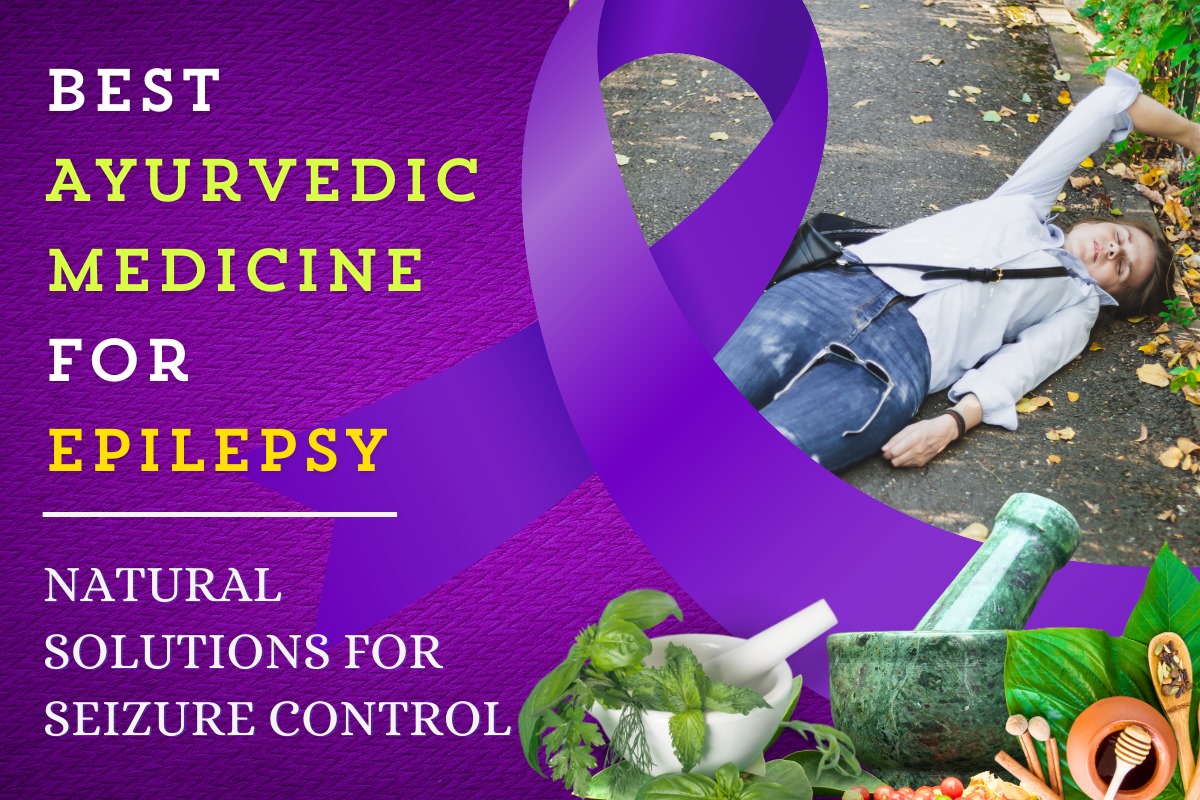
Best Ayurvedic Medicine for Epilepsy: Natural Solutions for Seizure Control
read more...
How Ayurveda Helps Children with Epilepsy: Holistic Seizure Treatment Explained
read more...
Managing Epilepsy Naturally: Ayurvedic Seizure Treatment for Children and Adults
read more...
Best Ayurvedic Clinics for Epilepsy Treatment in India: A Comprehensive Guide
read more...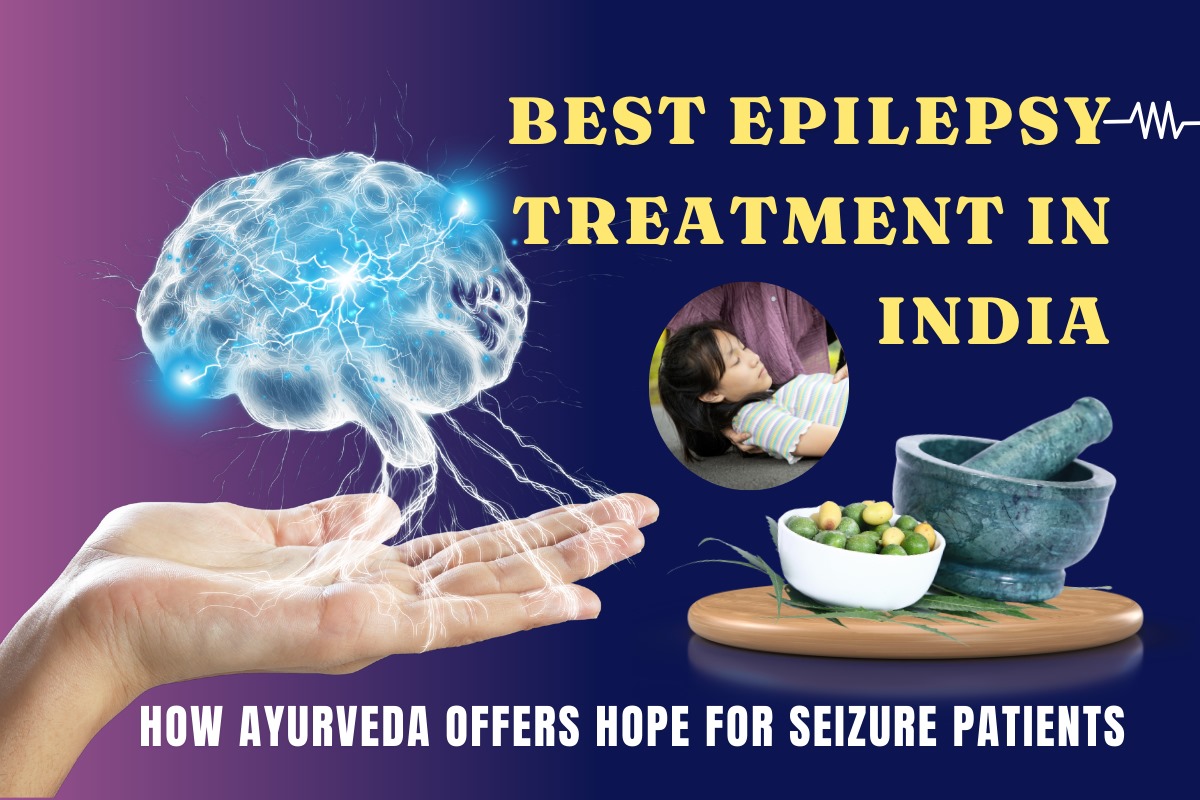
Best Epilepsy Treatment in India How Ayurveda Offers Hope for Seizure Patients
read more...
Using Ayurvedic Medicines and Herbs for Epilepsy Relief
read more...
The Role of Family Support in Ayurvedic Healing for Epilepsy
read more...
The Importance of Sleep in Managing Epilepsy Naturally
read more...
Maintaining Long-Term Health Post-Epilepsy Treatment with Ayurveda
read more...
The Future of Epilepsy Care: Combining Ayurveda with Modern Medicine
read more...
Natural Remedies for Epilepsy: Ayurveda’s Ancient Secrets Revealed
read more...
How to Find the Right Ayurvedic Specialist for Epilepsy Treatment
read more...
Boosting Brain Health with Ayurveda: Tips for Epilepsy Patients
read more...
Are Brain Cells Degenerated During an Epileptic Seizure
read more...
10 Natural Ways to Increase GABA to Calm the Mind and Reduce Seizures
read more...
Is Epilepsy a Hereditary Disease
read more...
Exploring the Relationship Between Epilepsy Medications, Hair Loss, Weight Loss, and the Benefits of Ayurvedic Formulas
read more...
Photosensitive Epilepsy: Causes, Symptoms, and Treatment
read more...
How does it feel like to have an epileptic parent
read more...
How does epilepsy affect a parent's life
read more...
Ayurveda may be helpful for Seniors with Epilepsy
read more...
Marital Status of Epileptic Patients
read more...
Seniors and Epilepsy / Living with epilepsy as a senior
read more...
How does epilepsy affect you intellectually
read more...
Do people with epilepsy need more sleep
read more...
Can a person with epilepsy go to college
read more...
Does Epilepsy cause memory loss
read more...
If learning fails a memory problem in students with Epilepsy
read more...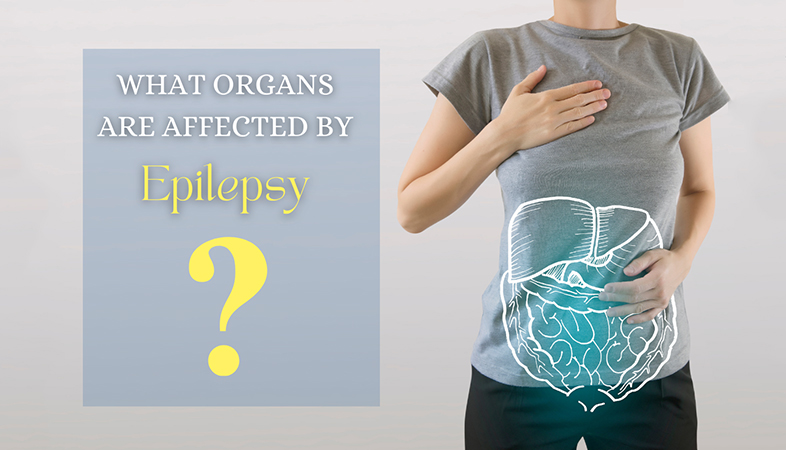
What organs are affected by epilepsy?
read more...
How Does Epilepsy Affect Fertility And How Can Ayurveda Help?
read more...
Myths About Epilepsy and Pregnancy
read more...
Is epilepsy a mental illness?
read more...
Can a person with epilepsy get married?
read more...
Post-covid treatment for people with epilepsy: yoga and ayurveda?
read more...
What to do during a seizure attack?
read more...
How safe is it for Epileptic Patients to get Vaccinated for Covid-19
read more...
Nostril breathing treatment to cure seizure disorder
read more...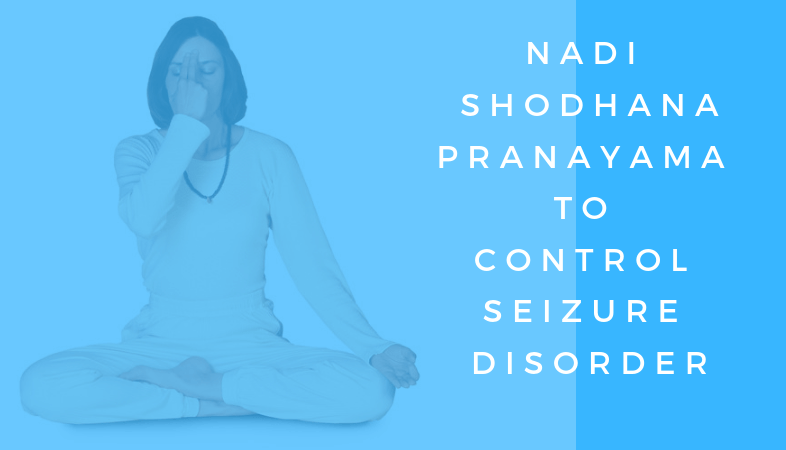
Control Seizure disorder with Pranayama
read more...
What is Epilepsy
read more...
What is a Seizure?
read more...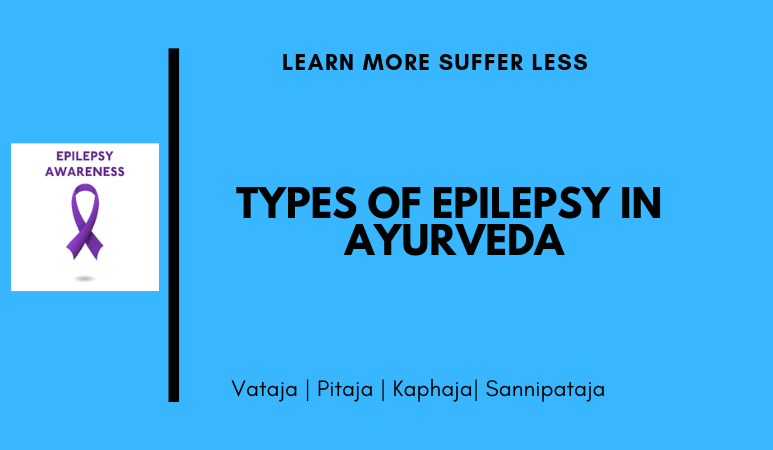
Types of Epilepsy and treatment as per Ayurveda
read more...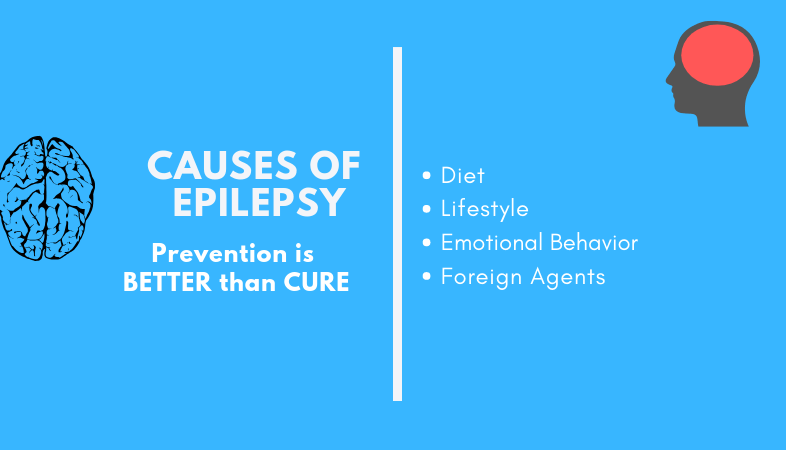
Causes of Epilepsy as per Ayurveda
read more...
Management of Epilepsy as per Ayurveda
read more...
Combination therapy for Epilepsy as per Ayurveda
read more...
Management of Epilepsy during an attack
read more...
Epilepsy Awareness -Know Epilepsy and No fear
read more...
When we beware of Epilepsy then we can be safe from Epilepsy
read more...
Have Epilepsy? Read how to increase immunity through Ayurveda
read more...
Emotional and Behavioral Changes amidst People with Epilepsy
read more...
Caring for someone with Epilepsy
read more...
Depression in Epilepsy
read more...
Copyright @ 2024 Neeraj Clinic. All rights reserved