

How Ayurveda Helps Manage Epilepsy Without Harsh Side Effects
Modern medicine offers several treatment options to control seizures, many patients and families look for complementary approaches that may support overall well-being and reduce the burden of long-term treatment. Ayurveda, India's traditional system of medicine, has gained attention for its holistic approach to neurological disorders, including epilepsy.
Many people seeking the best Ayurvedic epilepsy treatment in India are interested in natural therapies that focus on balancing the body and mind rather than merely suppressing symptoms. Ayurveda views epilepsy as a condition that involves disturbances in the body's natural energies, known as doshas, and aims to restore harmony through personalized treatments, herbal medicines, dietary changes, and lifestyle modifications.
Understanding Epilepsy from an Ayurvedic Perspective
In Ayurveda, epilepsy is commonly referred to as "Apasmara." Ancient Ayurvedic texts describe Apasmara as a condition involving loss of consciousness, altered mental function, and involuntary movements. According to Ayurvedic principles, epilepsy develops when imbalances in Vata, Pitta, and Kapha doshas affect the nervous system and interfere with normal brain function.
Unlike approaches that focus solely on controlling seizures, Ayurveda seeks to identify and address the root causes contributing to the condition. These causes may include poor digestion, accumulation of toxins (Ama), stress, improper lifestyle habits, sleep disturbances, and imbalances in mental and emotional health.
The goal of Ayurvedic treatment is not only seizure management but also improvement in overall neurological health, cognitive function, emotional stability, and quality of life.
Why Many People Choose Ayurveda for Epilepsy Management
One of the major reasons patients explore Ayurveda is the desire for a holistic treatment plan. Many families searching for the best Ayurvedic seizure treatment in India are interested in therapies that support the entire body while promoting long-term wellness.
Ayurveda emphasizes individualized treatment. Every patient is assessed according to their unique constitution, symptoms, medical history, and dosha imbalance. This personalized approach allows Ayurvedic practitioners to design treatment plans that may include herbal remedies, detoxification procedures, dietary recommendations, stress management techniques, and lifestyle adjustments.
Another reason for Ayurveda's popularity is its focus on natural ingredients. Herbal formulations have been used for centuries to support brain function, calm the nervous system, and improve mental clarity.
The Role of Ayurvedic Herbs in Epilepsy Management
Herbal medicines are among the most important components of Ayurvedic epilepsy treatment. Various herbs are traditionally used to support neurological health and help maintain balance within the nervous system.
Brahmi is one of the most widely recognized Ayurvedic herbs for brain health. It is traditionally used to support memory, concentration, and mental calmness. Brahmi is often included in formulations recommended by practitioners offering the best Ayurvedic epilepsy medicines.
Ashwagandha is another valuable herb known for its adaptogenic properties. It may help the body cope with stress and support nervous system function. Since stress is considered a common trigger for seizures in some individuals, herbs that promote relaxation are often included in treatment plans.
Shankhpushpi is frequently used to enhance mental clarity, support cognitive health, and calm the mind. It is often combined with other herbs to create comprehensive formulations for neurological wellness.
Jatamansi is valued in Ayurveda for its calming effects on the nervous system. It has traditionally been used to promote emotional balance and mental relaxation.
Ayurvedic Therapies That Support Neurological Health
These therapies are often customized according to the patient's condition and constitution. One commonly recommended therapy is Shirodhara, in which a continuous stream of warm herbal oil is gently poured onto the forehead. This deeply relaxing therapy is believed to calm the mind and support mental well-being.
Abhyanga, a full-body massage using medicated oils, is another therapy frequently used in Ayurvedic care. It may help improve circulation, reduce stress, and promote overall relaxation.
Panchakarma is a traditional Ayurvedic detoxification process designed to eliminate accumulated toxins and restore dosha balance. These procedures are carefully tailored to the patient's condition and should only be performed by trained professionals.
The Importance of Diet in Ayurvedic Epilepsy Care
According to Ayurveda, proper digestion is essential for maintaining physical and mental health. Poor digestion can lead to toxin accumulation, which may contribute to various health concerns.
Patients undergoing Ayurvedic epilepsy treatment are often encouraged to consume fresh, nutritious, and easily digestible foods. Whole grains, seasonal fruits, vegetables, nuts, and healthy fats are commonly recommended as part of a balanced diet.
Excessively processed foods, artificial additives, and unhealthy eating habits may be discouraged. Maintaining regular meal times and avoiding overeating are also considered important aspects of Ayurvedic care.
Hydration, digestive health, and proper nutrition are viewed as key components in supporting overall neurological wellness.
Stress Management and Lifestyle Modifications
Stress management is a central element of Ayurvedic treatment for epilepsy. Emotional stress, anxiety, and sleep disturbances may affect overall health and potentially influence seizure frequency in some individuals.
Ayurveda encourages practices that help calm the mind and maintain emotional balance. Meditation, breathing exercises (Pranayama), and gentle yoga are often incorporated into treatment plans.
Adequate sleep is also considered essential. Irregular sleep patterns may negatively affect neurological health, making consistent sleep routines an important recommendation.
Daily routines, known as Dinacharya in Ayurveda, help establish stability and balance. Regular sleeping, eating, and activity schedules are believed to support optimal physical and mental functioning.
Accessibility and Affordability of Ayurvedic Care
Another factor contributing to Ayurveda's popularity is affordability. Many patients seek low-cost Ayurvedic epilepsy treatment as an alternative or complementary option to conventional healthcare approaches.
Ayurvedic treatment plans can often be customized according to individual budgets and needs. Herbal medicines, dietary modifications, and lifestyle recommendations may provide cost-effective ways to support long-term wellness.
However, Patients should seek treatment from qualified and experienced practitioners who have expertise in managing neurological disorders.
Choosing the Best Ayurvedic Doctor for Epilepsy
Finding the best Ayurvedic doctor for epilepsy is one of the most important decisions for patients and families considering Ayurvedic care. An experienced practitioner can evaluate the individual's unique condition, identify dosha imbalances, and create a personalized treatment strategy.
When selecting an Ayurvedic doctor, it is important to consider qualifications, clinical experience, patient reviews, and the range of therapies offered. A comprehensive treatment plan should include careful monitoring, ongoing support, and clear guidance regarding lifestyle and dietary changes.
Patients should also inform all healthcare providers about any treatments they are receiving. Integrative care and open communication between healthcare professionals can help ensure safe and effective management.
A Holistic Path Toward Better Neurological Health
The growing interest in the best Ayurvedic epilepsy treatment in India reflects a desire for holistic healthcare solutions that address physical, mental, and emotional well-being. Ayurveda offers a comprehensive approach that combines herbal medicines, therapeutic procedures, dietary guidance, stress management, and lifestyle modifications.
Many individuals seeking the best Ayurvedic seizure treatment in India appreciate Ayurveda's focus on personalized care and natural methods of supporting health. Through carefully selected herbal remedies, balanced nutrition, relaxation techniques, and expert guidance, Ayurveda aims to promote harmony within the body and support overall neurological wellness.
While Ayurveda may provide valuable support for people living with epilepsy, it should not replace medical diagnosis or prescribed treatment without professional medical supervision. Patients should work closely with qualified healthcare providers to determine the most appropriate treatment plan for their individual circumstances.
With its emphasis on balance, prevention, and whole-person care, Ayurveda continues to be an important option for those exploring natural approaches to managing epilepsy and improving quality of life.
Frequently Asked Questions (FAQs)
-
What is the best Ayurvedic epilepsy treatment in India?
The best Ayurvedic epilepsy treatment in India typically combines personalized herbal medicines, Panchakarma therapies, dietary modifications, stress management techniques, and lifestyle changes. Treatment plans are customized according to an individual's health condition, symptoms, and dosha imbalance. -
Are Ayurvedic medicines effective for managing epilepsy?
Ayurvedic practitioners use various herbs such as Brahmi, Ashwagandha, Shankhpushpi, and Jatamansi in some of the best Ayurvedic epilepsy medicines. These herbs are traditionally used to support brain health, promote relaxation, and help maintain neurological balance. However, treatment outcomes vary from person to person, and medical supervision is important. -
Is low-cost Ayurvedic epilepsy treatment available in India?
Yes, many Ayurvedic clinics and hospitals offer low-cost Ayurvedic epilepsy treatment options. The cost depends on factors such as the duration of treatment, herbal formulations prescribed, and whether specialized therapies like Panchakarma are included in the treatment plan. -
How do I find the best Ayurvedic doctor for epilepsy?
When looking for the best Ayurvedic doctor for epilepsy, consider their qualifications, clinical experience, patient reviews, and expertise in treating neurological disorders. A good practitioner will conduct a detailed assessment and create a personalized treatment strategy based on your specific needs. -
Can Ayurveda completely cure epilepsy without side effects?
Ayurveda aims to support overall neurological health and help manage epilepsy through natural therapies and lifestyle modifications. While many people seek the best Ayurvedic seizure treatment in India for holistic care, results vary among individuals. Patients should continue to follow the advice of qualified healthcare professionals and should not stop prescribed medications without medical guidance.
Latest Post
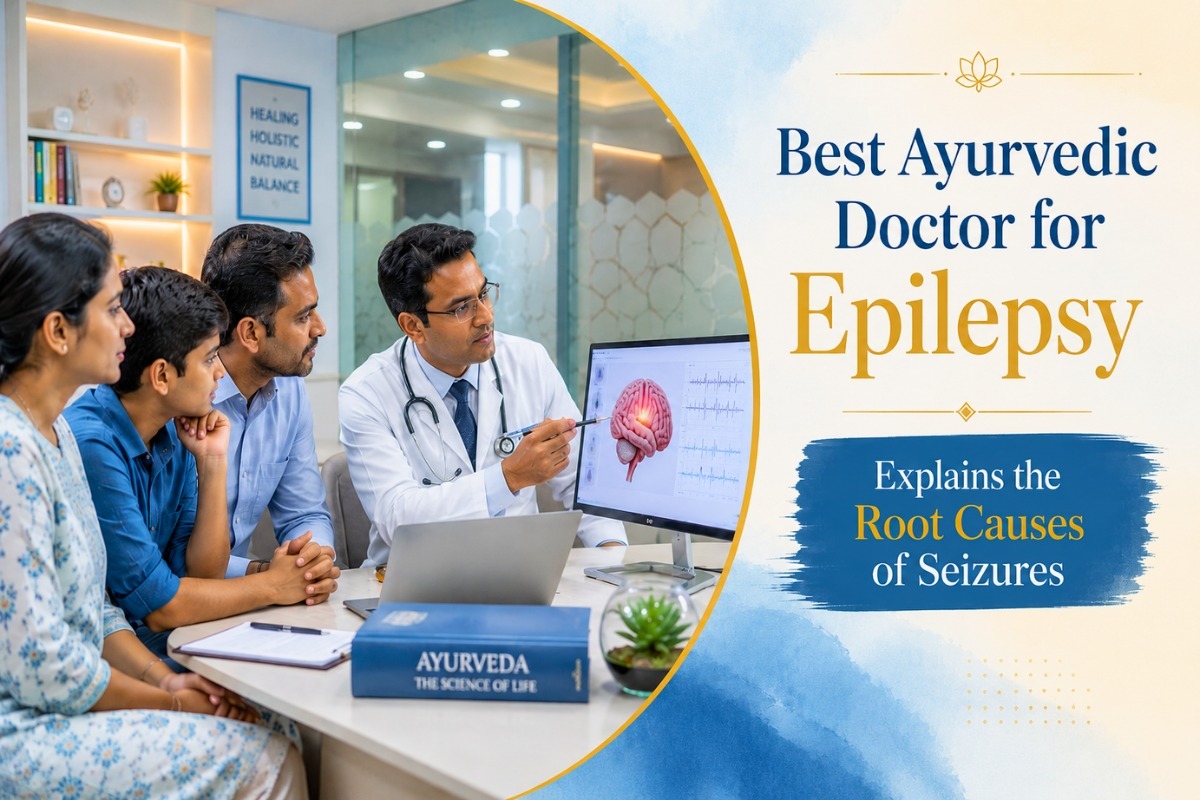
Best Ayurvedic Doctor for Epilepsy Explains the Root Causes of Seizures
read more...
Expert Advice from the Best Ayurvedic Doctor for Epilepsy in India
read more...
Patient Recovery Stories from the Best Epilepsy Hospital in India
read more...
Stress Management Techniques Suggested by the Best Ayurvedic Doctor for Epilepsy
read more...
Best Ayurvedic Epilepsy Medicine: How Herbs Support Neurological Recovery
read more...
Top Reasons to Visit the Best Epilepsy Hospital in India for Treatment
read more...
How the Low-Cost Ayurvedic Epilepsy Medicine Supports Brain Health & Results
read more...
Best Ayurvedic Epilepsy Medicine to Strengthen Brain Function Naturally
read more...
Diet Tips Recommended by the Best Ayurvedic Doctor for Epilepsy
read more...
How Ayurveda Helps Manage Epilepsy Without Harsh Side Effects
read more...
Best Ayurvedic Epilepsy Treatment in India for Children and Adults
read more...
Best Ayurvedic Epilepsy Medicine That Supports Nervous System Healing
read more...
Benefits of Visiting the Best Epilepsy Hospital in India for Integrated Care
read more...
Signs You Need the Best Ayurvedic Doctor for Epilepsy in India
read more...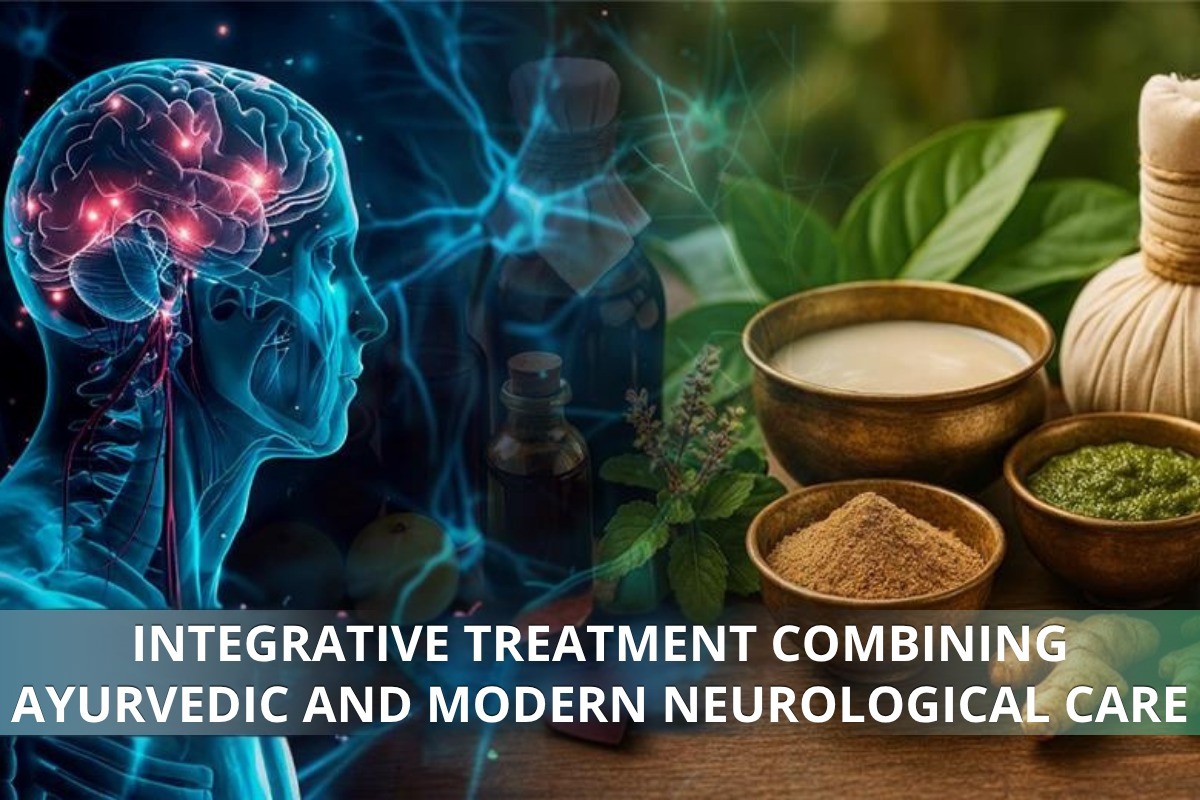
Integrative Treatment: Combining Ayurvedic and Modern Neurological Care
read more...
Best Ayurvedic Epilepsy Medicine for Long-Term Brain Balance
read more...
Types of Epileptic Seizures: A Simple Guide for Families
read more...
How Stress & Sleep Affect Seizures — And Ayurvedic Ways to Improve Both
read more...
Ayurvedic Epilepsy Treatment Near Me: How to Choose the Right Clinic & Doctors
read more...
Best Ayurvedic Epilepsy Treatment in India: Top Doctors & Ayurvedic Options for Epilepsy Patients
read more...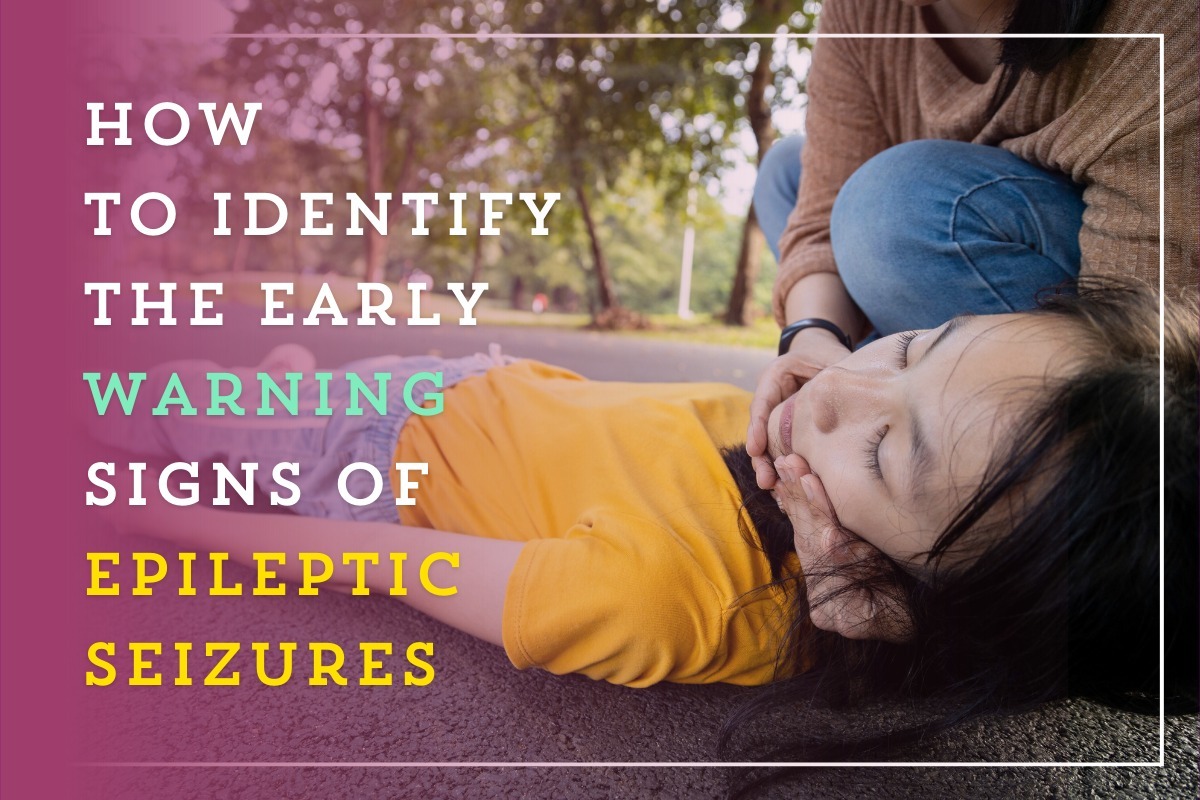
How to Identify the Early Warning Signs of Epileptic Seizures
read more...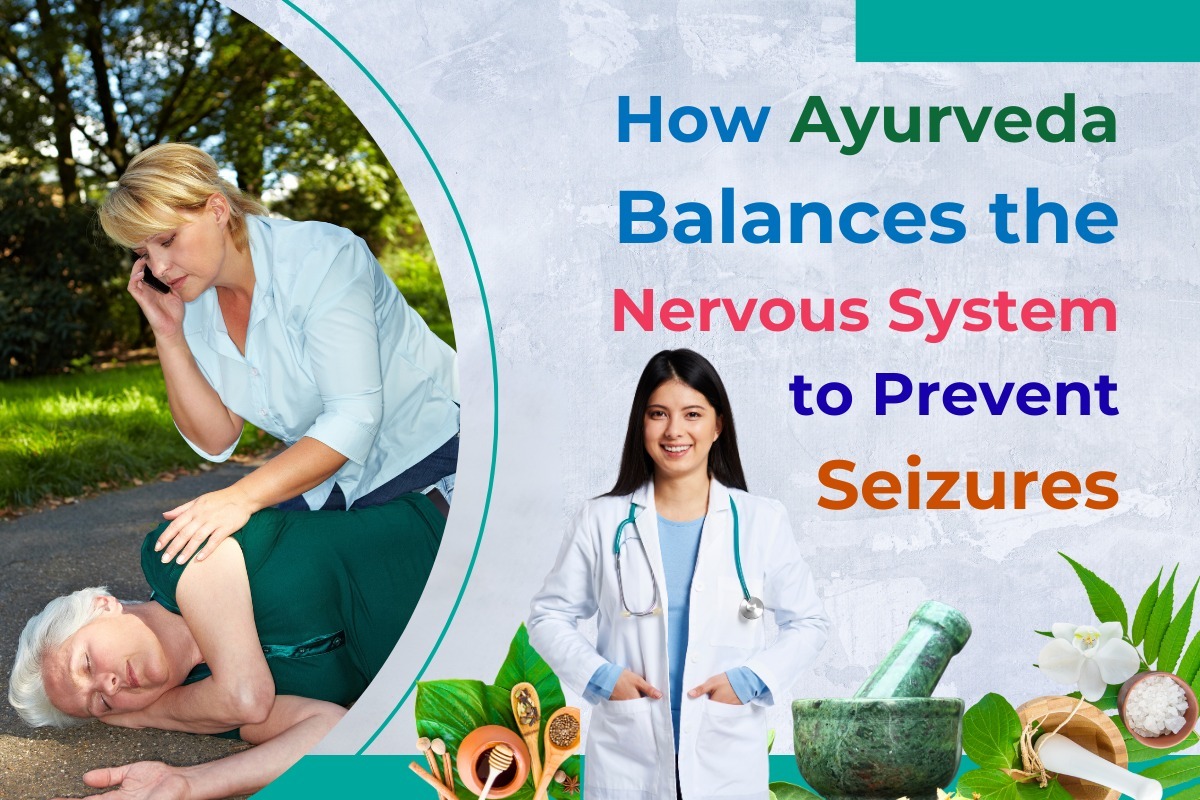
How Ayurveda Balances the Nervous System to Prevent Seizures
read more...
Low-Cost Epilepsy Treatment in India: What Patients Should Know
read more...
Why Ayurveda Is Becoming a Preferred Treatment for Epilepsy in India
read more...
Childhood Epilepsy: Effective Treatment Strategies for Long-Term Recovery
read more...
Scientific Studies on Ayurvedic Epilepsy Treatment: What Research Says
read more...
The Role of Fasting & Detox in Ayurvedic Epilepsy Treatment
read more...
Daily Routines (Dinacharya) for Epilepsy Patients According to Ayurveda
read more...
Top Ayurvedic Clinics in India Offering Epilepsy & Seizure Treatment
read more...
The Power of Meditation & Yoga in Epilepsy Management
read more...
Neuroprotective Benefits of Ayurveda in Epilepsy Management
read more...
The Role of Ayurvedic Epilepsy Medicines to Reduce Seizure Frequency
read more...
Diet & Nutrition for Epilepsy: Ayurvedic Foods to Eat & Avoid
read more...
Preventing Epilepsy with Ayurveda: Early Signs to Watch For Epilepsy
read more...
How Ayurveda & Spiritual Healing Work Together for Epilepsy
read more...
Ayurvedic Epilepsy Medicine vs. Allopathy: Which is More Effective
read more...
Seizure Treatment in Ayurveda: Discover the Power of Ayurvedic Epilepsy Medicine
read more...
Ayurvedic Seizure Treatment: Can It Help You Live Seizure-Free?
read more...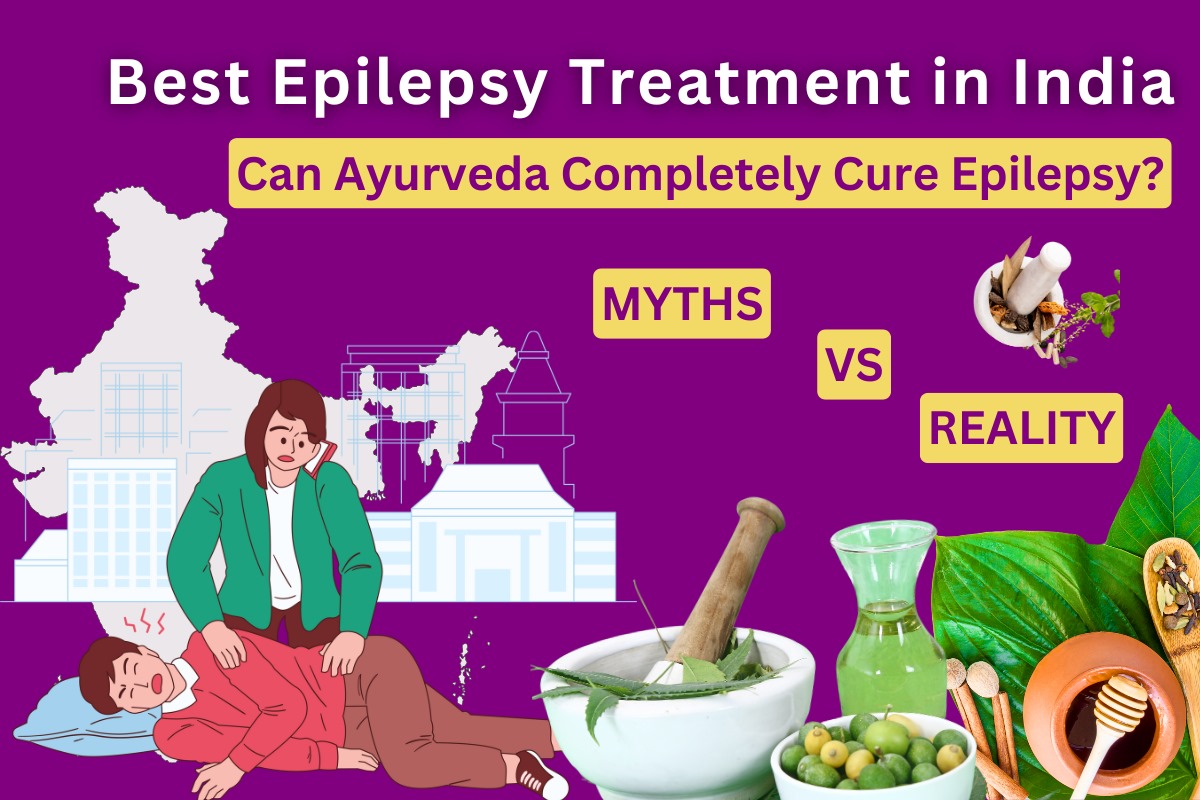
Best Epilepsy Treatment in India: Can Ayurveda Completely Cure Epilepsy? Myths vs. Reality
read more...
Best Epilepsy Medicine in India with Ayurveda: Diet, Lifestyle, and Herbal Remedies
read more...
Best Ayurvedic Medicine for Epilepsy: Natural Solutions for Seizure Control
read more...
How Ayurveda Helps Children with Epilepsy: Holistic Seizure Treatment Explained
read more...
Managing Epilepsy Naturally: Ayurvedic Seizure Treatment for Children and Adults
read more...
Best Ayurvedic Clinics for Epilepsy Treatment in India: A Comprehensive Guide
read more...
Best Epilepsy Treatment in India How Ayurveda Offers Hope for Seizure Patients
read more...
Using Ayurvedic Medicines and Herbs for Epilepsy Relief
read more...
The Role of Family Support in Ayurvedic Healing for Epilepsy
read more...
The Importance of Sleep in Managing Epilepsy Naturally
read more...
Maintaining Long-Term Health Post-Epilepsy Treatment with Ayurveda
read more...
The Future of Epilepsy Care: Combining Ayurveda with Modern Medicine
read more...
Natural Remedies for Epilepsy: Ayurveda’s Ancient Secrets Revealed
read more...
How to Find the Right Ayurvedic Specialist for Epilepsy Treatment
read more...
Boosting Brain Health with Ayurveda: Tips for Epilepsy Patients
read more...
Are Brain Cells Degenerated During an Epileptic Seizure
read more...
10 Natural Ways to Increase GABA to Calm the Mind and Reduce Seizures
read more...
Is Epilepsy a Hereditary Disease
read more...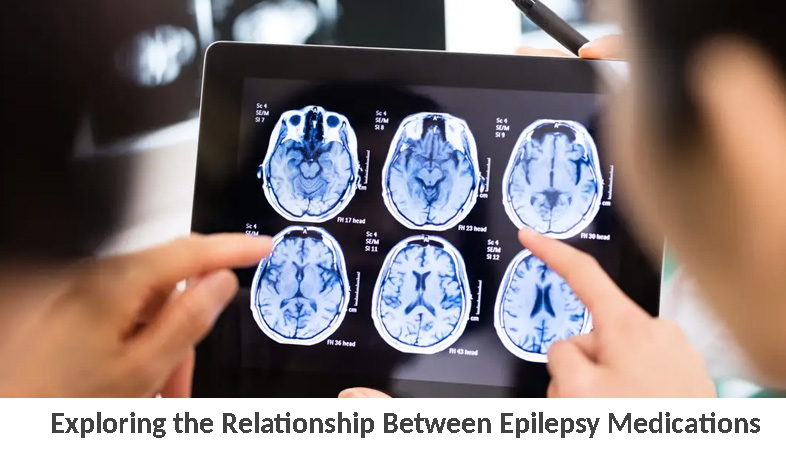
Exploring the Relationship Between Epilepsy Medications, Hair Loss, Weight Loss, and the Benefits of Ayurvedic Formulas
read more...
Photosensitive Epilepsy: Causes, Symptoms, and Treatment
read more...
How does it feel like to have an epileptic parent
read more...
How does epilepsy affect a parent's life
read more...
Ayurveda may be helpful for Seniors with Epilepsy
read more...
Marital Status of Epileptic Patients
read more...
Seniors and Epilepsy / Living with epilepsy as a senior
read more...
How does epilepsy affect you intellectually
read more...
Do people with epilepsy need more sleep
read more...
Can a person with epilepsy go to college
read more...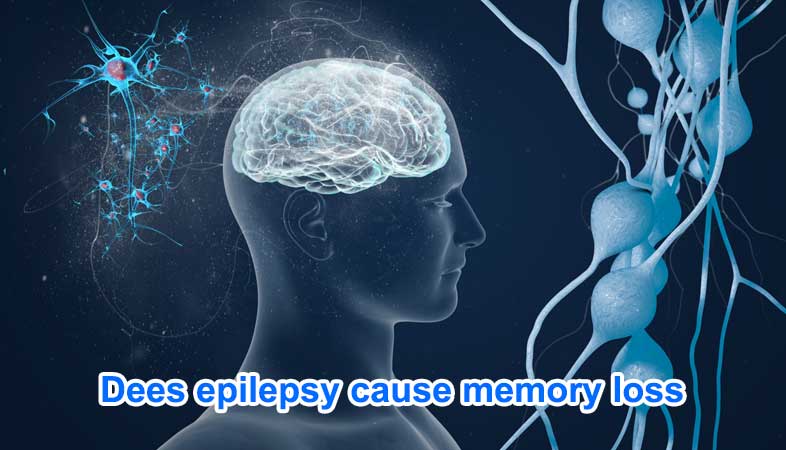
Does Epilepsy cause memory loss
read more...
If learning fails a memory problem in students with Epilepsy
read more...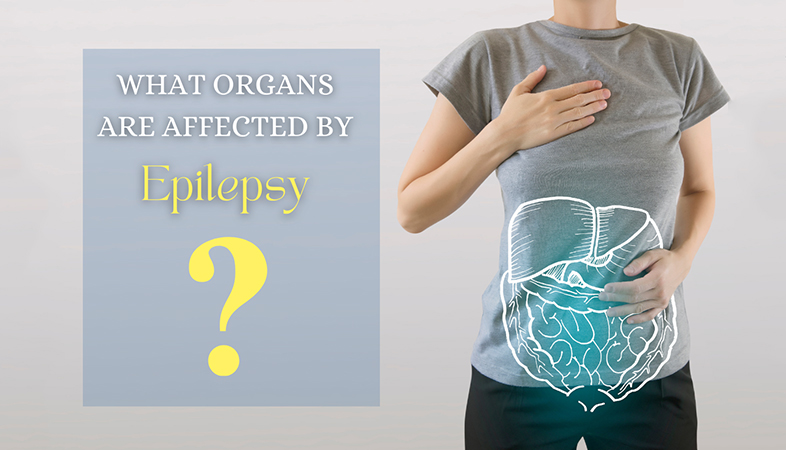
What organs are affected by epilepsy?
read more...
How Does Epilepsy Affect Fertility And How Can Ayurveda Help?
read more...
Myths About Epilepsy and Pregnancy
read more...
Is epilepsy a mental illness?
read more...
Can a person with epilepsy get married?
read more...
Post-covid treatment for people with epilepsy: yoga and ayurveda?
read more...
What to do during a seizure attack?
read more...
How safe is it for Epileptic Patients to get Vaccinated for Covid-19
read more...
Nostril breathing treatment to cure seizure disorder
read more...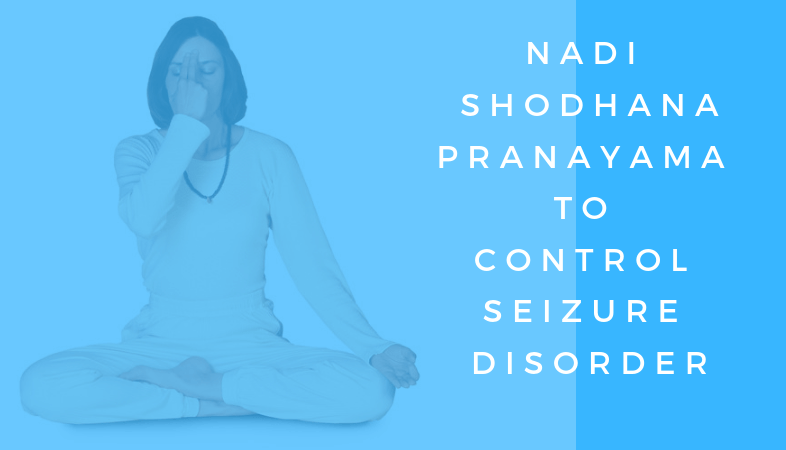
Control Seizure disorder with Pranayama
read more...
What is Epilepsy
read more...
What is a Seizure?
read more...
Types of Epilepsy and treatment as per Ayurveda
read more...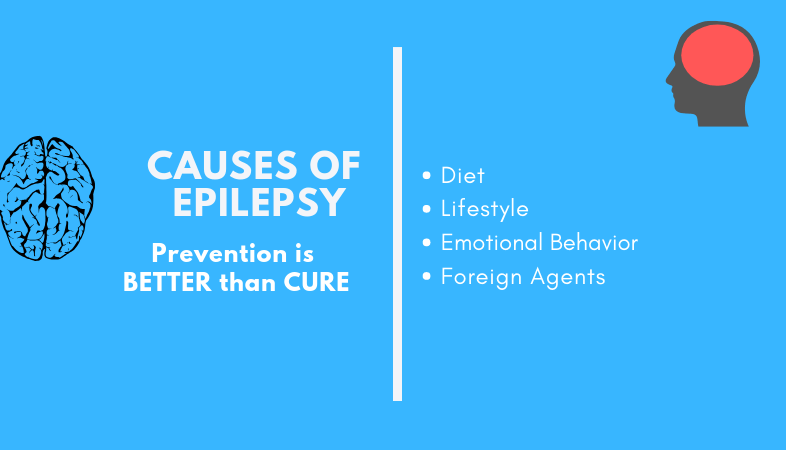
Causes of Epilepsy as per Ayurveda
read more...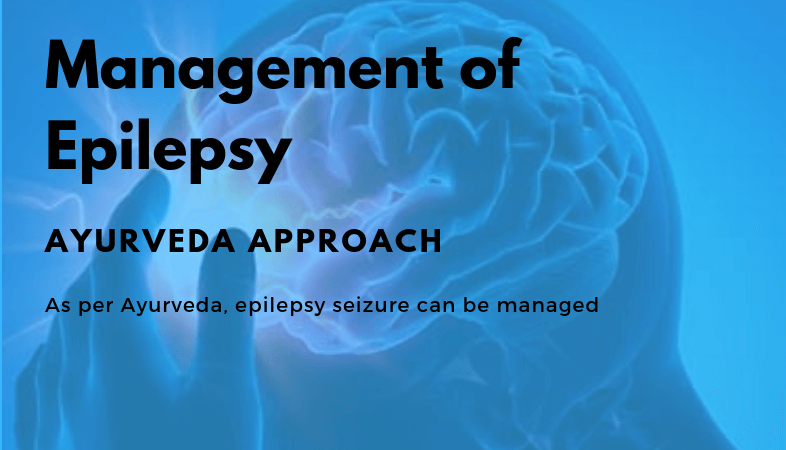
Management of Epilepsy as per Ayurveda
read more...
Combination therapy for Epilepsy as per Ayurveda
read more...
Management of Epilepsy during an attack
read more...
Epilepsy Awareness -Know Epilepsy and No fear
read more...
When we beware of Epilepsy then we can be safe from Epilepsy
read more...
Have Epilepsy? Read how to increase immunity through Ayurveda
read more...
Emotional and Behavioral Changes amidst People with Epilepsy
read more...
Caring for someone with Epilepsy
read more...
Depression in Epilepsy
read more...
Copyright @ 2024 Neeraj Clinic. All rights reserved