

Expert Advice from the Best Ayurvedic Doctor for Epilepsy in India
Epilepsy can affect a person’s daily life, education, work, and emotional well-being. Managing epilepsy often requires careful diagnosis, regular medical supervision, and a long-term treatment plan. Alongside conventional neurological care, Ayurveda is increasingly explored by families seeking complementary approaches that focus on overall health, lifestyle, and individual constitution. Consulting an experienced Ayurvedic practitioner can help patients understand where Ayurvedic therapies may fit safely into their overall care.
When people search for the best Ayurvedic epilepsy treatment in India, it is important to look beyond promotional claims and focus on qualified practitioners, appropriate diagnosis, personalized care, and coordination with existing medical treatment. Ayurveda should not be viewed as a replacement for prescribed anti-seizure medicines unless a qualified medical professional specifically advises a change.
Understanding Epilepsy from a Holistic Perspective
Epilepsy can have different causes and patterns, and seizures may vary considerably from one person to another. Some people experience brief periods of altered awareness, while others may have movements or changes in consciousness. Because epilepsy has many possible causes, identifying the seizure type and underlying condition is an important first step.
Ayurveda traditionally emphasizes the relationship between the body's systems, mental well-being, daily habits, diet, sleep, and individual constitution. An Ayurvedic practitioner may therefore consider several aspects of a person's health while developing a supportive wellness plan.
However, an Ayurvedic assessment should complement, rather than replace, appropriate neurological evaluation. Tests such as EEG or brain imaging may be recommended by a neurologist depending on the individual's symptoms and history.
What to Look for in the Best Ayurvedic Doctor for Epilepsy
Choosing the best Ayurvedic doctor for epilepsy requires careful consideration. Patients and families should look for a practitioner who is properly qualified in Ayurveda and has experience working with neurological conditions. Good communication is also important because epilepsy frequently requires long-term monitoring.
An experienced practitioner should ask about seizure history, current medicines, sleep patterns, diet, stress, previous investigations, and other relevant health factors. They should also encourage appropriate consultation with a neurologist when necessary.
The best Ayurvedic epilepsy doctor in India should take a responsible and individualized approach rather than promising a guaranteed cure. Epilepsy management can be complex, and treatment needs may differ depending on age, seizure type, cause, medical history, and response to existing therapy.
The Role of Ayurvedic Medicines in Epilepsy Care
One of the most common searches among patients is for the best Ayurvedic epilepsy medicine. However, there is no single Ayurvedic medicine that is appropriate for every person with epilepsy. Ayurvedic preparations may contain different herbs or ingredients, and their suitability can depend on the individual's overall health and existing medications.
Some Ayurvedic herbs are traditionally used to support mental calmness, sleep, concentration, and general nervous-system wellness. Nevertheless, traditional use does not automatically establish that a preparation can prevent seizures. Some herbal products may also interact with prescription medicines or have other safety concerns.
For this reason, Ayurvedic medicines should be selected and monitored by a qualified practitioner, particularly when the patient is already taking anti-seizure medication. Patients should never stop or reduce prescribed epilepsy medicines on their own.
Personalized Treatment and Lifestyle Support
A major principle of Ayurveda is individualized care. Rather than applying exactly the same approach to every patient, an Ayurvedic practitioner may consider factors such as constitution, digestion, sleep, stress, diet, and daily routine.
Lifestyle support can be an important part of comprehensive epilepsy care. Maintaining regular sleep is particularly valuable because sleep deprivation can trigger seizures in some individuals. Eating regular, nutritious meals and staying adequately hydrated can also support general health.
Stress management may be useful as well. Gentle yoga, breathing exercises, meditation, and relaxation practices may help some people improve overall well-being. Such practices should be adapted to the person's age, physical condition, and seizure pattern, with appropriate supervision.
Exploring the Best Ayurvedic Seizure Treatment
People looking for the best Ayurvedic seizure treatment should understand that seizure management must be based on the underlying medical diagnosis. Ayurveda may offer complementary wellness strategies, but recurrent or unexplained seizures require appropriate medical assessment.
Some Ayurvedic clinics may use therapies traditionally intended to promote relaxation and balance. Depending on the individual, these can include selected massage therapies, dietary guidance, meditation, yoga, and other traditional approaches. Their role should be supportive rather than presented as a guaranteed substitute for evidence-based seizure management.
Families should be especially cautious about claims that epilepsy can always be permanently cured through a particular therapy or medicine. Responsible treatment involves realistic expectations and ongoing observation.
Ayurveda and Conventional Epilepsy Care
The safest approach for many patients is coordinated care. A neurologist can evaluate seizure type, causes, medication requirements, and neurological risks, while a qualified Ayurvedic practitioner may provide complementary lifestyle and traditional wellness guidance.
Patients should tell both practitioners about all medicines, supplements, and herbal preparations they are using. Open communication can help reduce the possibility of unwanted interactions.
Keeping a seizure diary may also be useful. Recording the date, duration, possible triggers, sleep patterns, and other relevant observations can help healthcare professionals understand changes over time. If seizures become more frequent or change significantly, medical attention should be sought promptly.
Affordable Epilepsy Care in India
Searches for low cost epilepsy medicine in India and low cost epilepsy treatment in India are common, but affordability should never come at the expense of appropriate diagnosis or medicine quality.
Families can compare consultation fees, treatment plans, medicine costs, and follow-up requirements before choosing a clinic. It is also important to verify the qualifications of the practitioner and the source and quality of any Ayurvedic medicines being recommended.
A lower-cost treatment plan can be valuable when it remains medically responsible, transparent, and personalized. Patients should be cautious of unusually strong claims based primarily on low pricing or promises of guaranteed results.
Why Expert Guidance Matters
Epilepsy is a condition that often requires patience and consistent monitoring. An expert Ayurvedic practitioner can help patients understand how traditional lifestyle principles may complement their broader healthcare plan. The focus should be on supporting general well-being while respecting the importance of appropriate neurological care.
The right practitioner should also recognize when a patient needs urgent medical evaluation. This willingness to collaborate with other healthcare professionals is an important sign of responsible practice.
Choosing a Responsible Ayurvedic Epilepsy Care Approach
Finding the best Ayurvedic epilepsy treatment in India should begin with research rather than assumptions. Families should check the practitioner's educational qualifications, clinical experience, treatment philosophy, consultation process, and approach to coordination with modern medicine.
Patients should also ask questions about the ingredients of recommended medicines, possible interactions, expected duration of treatment, follow-up procedures, and potential side effects. Avoiding unverified products and self-medication is particularly important when managing a neurological condition.
Ayurveda may provide a holistic framework for lifestyle and wellness support, but epilepsy should always be approached with appropriate medical care. The goal should be safe, individualized, and informed management rather than relying on a single therapy or claiming that one medicine works for everyone.
Conclusion
Expert Ayurvedic care for epilepsy is best understood as a personalized and complementary approach that may focus on lifestyle, diet, relaxation, traditional therapies, and carefully selected medicines. When searching for the best Ayurvedic doctor for epilepsy, patients should prioritize qualifications, experience, transparency, and responsible coordination with neurological care.
Similarly, searches for the best Ayurvedic epilepsy medicine, best Ayurvedic seizure treatment, low cost epilepsy medicine in India, or low cost epilepsy treatment in India should always be guided by professional advice rather than self-medication.
With appropriate diagnosis, regular monitoring, healthy routines, and qualified professional guidance, individuals with epilepsy can work toward better overall health and quality of life. Ayurveda can potentially play a supportive role when incorporated thoughtfully into a comprehensive healthcare plan.
Latest Post
Best Ayurvedic Doctor for Epilepsy Explains the Root Causes of Seizures
read more...
Expert Advice from the Best Ayurvedic Doctor for Epilepsy in India
read more...
Patient Recovery Stories from the Best Epilepsy Hospital in India
read more...
Stress Management Techniques Suggested by the Best Ayurvedic Doctor for Epilepsy
read more...
Best Ayurvedic Epilepsy Medicine: How Herbs Support Neurological Recovery
read more...
Top Reasons to Visit the Best Epilepsy Hospital in India for Treatment
read more...
How the Low-Cost Ayurvedic Epilepsy Medicine Supports Brain Health & Results
read more...
Best Ayurvedic Epilepsy Medicine to Strengthen Brain Function Naturally
read more...
Diet Tips Recommended by the Best Ayurvedic Doctor for Epilepsy
read more...
How Ayurveda Helps Manage Epilepsy Without Harsh Side Effects
read more...
Best Ayurvedic Epilepsy Treatment in India for Children and Adults
read more...
Best Ayurvedic Epilepsy Medicine That Supports Nervous System Healing
read more...
Benefits of Visiting the Best Epilepsy Hospital in India for Integrated Care
read more...
Signs You Need the Best Ayurvedic Doctor for Epilepsy in India
read more...
Integrative Treatment: Combining Ayurvedic and Modern Neurological Care
read more...
Best Ayurvedic Epilepsy Medicine for Long-Term Brain Balance
read more...
Types of Epileptic Seizures: A Simple Guide for Families
read more...
How Stress & Sleep Affect Seizures — And Ayurvedic Ways to Improve Both
read more...
Ayurvedic Epilepsy Treatment Near Me: How to Choose the Right Clinic & Doctors
read more...
Best Ayurvedic Epilepsy Treatment in India: Top Doctors & Ayurvedic Options for Epilepsy Patients
read more...
How to Identify the Early Warning Signs of Epileptic Seizures
read more...
How Ayurveda Balances the Nervous System to Prevent Seizures
read more...
Low-Cost Epilepsy Treatment in India: What Patients Should Know
read more...
Why Ayurveda Is Becoming a Preferred Treatment for Epilepsy in India
read more...
Childhood Epilepsy: Effective Treatment Strategies for Long-Term Recovery
read more...
Scientific Studies on Ayurvedic Epilepsy Treatment: What Research Says
read more...
The Role of Fasting & Detox in Ayurvedic Epilepsy Treatment
read more...
Daily Routines (Dinacharya) for Epilepsy Patients According to Ayurveda
read more...
Top Ayurvedic Clinics in India Offering Epilepsy & Seizure Treatment
read more...
The Power of Meditation & Yoga in Epilepsy Management
read more...
Neuroprotective Benefits of Ayurveda in Epilepsy Management
read more...
The Role of Ayurvedic Epilepsy Medicines to Reduce Seizure Frequency
read more...
Diet & Nutrition for Epilepsy: Ayurvedic Foods to Eat & Avoid
read more...
Preventing Epilepsy with Ayurveda: Early Signs to Watch For Epilepsy
read more...
How Ayurveda & Spiritual Healing Work Together for Epilepsy
read more...
Ayurvedic Epilepsy Medicine vs. Allopathy: Which is More Effective
read more...
Seizure Treatment in Ayurveda: Discover the Power of Ayurvedic Epilepsy Medicine
read more...
Ayurvedic Seizure Treatment: Can It Help You Live Seizure-Free?
read more...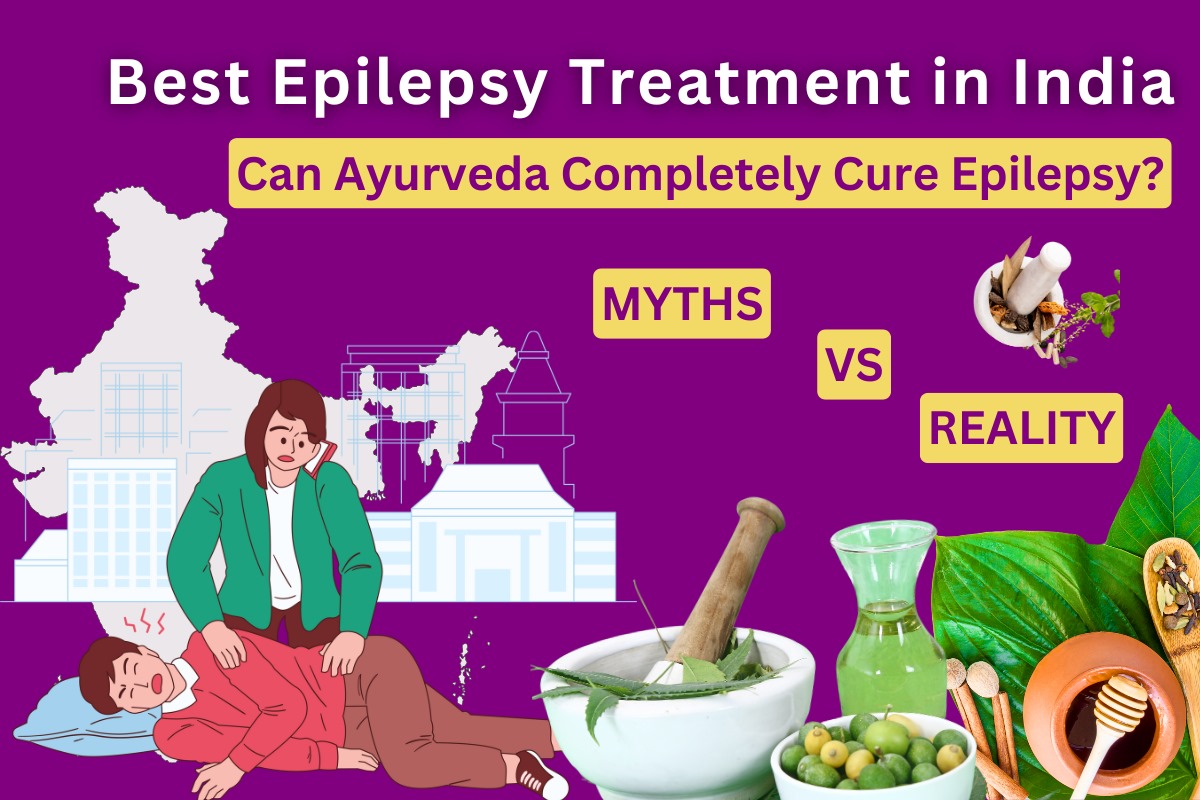
Best Epilepsy Treatment in India: Can Ayurveda Completely Cure Epilepsy? Myths vs. Reality
read more...
Best Epilepsy Medicine in India with Ayurveda: Diet, Lifestyle, and Herbal Remedies
read more...
Best Ayurvedic Medicine for Epilepsy: Natural Solutions for Seizure Control
read more...
How Ayurveda Helps Children with Epilepsy: Holistic Seizure Treatment Explained
read more...
Managing Epilepsy Naturally: Ayurvedic Seizure Treatment for Children and Adults
read more...
Best Ayurvedic Clinics for Epilepsy Treatment in India: A Comprehensive Guide
read more...
Best Epilepsy Treatment in India How Ayurveda Offers Hope for Seizure Patients
read more...
Using Ayurvedic Medicines and Herbs for Epilepsy Relief
read more...
The Role of Family Support in Ayurvedic Healing for Epilepsy
read more...
The Importance of Sleep in Managing Epilepsy Naturally
read more...
Maintaining Long-Term Health Post-Epilepsy Treatment with Ayurveda
read more...
The Future of Epilepsy Care: Combining Ayurveda with Modern Medicine
read more...
Natural Remedies for Epilepsy: Ayurveda’s Ancient Secrets Revealed
read more...
How to Find the Right Ayurvedic Specialist for Epilepsy Treatment
read more...
Boosting Brain Health with Ayurveda: Tips for Epilepsy Patients
read more...
Are Brain Cells Degenerated During an Epileptic Seizure
read more...
10 Natural Ways to Increase GABA to Calm the Mind and Reduce Seizures
read more...
Is Epilepsy a Hereditary Disease
read more...
Exploring the Relationship Between Epilepsy Medications, Hair Loss, Weight Loss, and the Benefits of Ayurvedic Formulas
read more...
Photosensitive Epilepsy: Causes, Symptoms, and Treatment
read more...
How does it feel like to have an epileptic parent
read more...
How does epilepsy affect a parent's life
read more...
Ayurveda may be helpful for Seniors with Epilepsy
read more...
Marital Status of Epileptic Patients
read more...
Seniors and Epilepsy / Living with epilepsy as a senior
read more...
How does epilepsy affect you intellectually
read more...
Do people with epilepsy need more sleep
read more...
Can a person with epilepsy go to college
read more...
Does Epilepsy cause memory loss
read more...
If learning fails a memory problem in students with Epilepsy
read more...
What organs are affected by epilepsy?
read more...
How Does Epilepsy Affect Fertility And How Can Ayurveda Help?
read more...
Myths About Epilepsy and Pregnancy
read more...
Is epilepsy a mental illness?
read more...
Can a person with epilepsy get married?
read more...
Post-covid treatment for people with epilepsy: yoga and ayurveda?
read more...
What to do during a seizure attack?
read more...
How safe is it for Epileptic Patients to get Vaccinated for Covid-19
read more...
Nostril breathing treatment to cure seizure disorder
read more...
Control Seizure disorder with Pranayama
read more...
What is Epilepsy
read more...
What is a Seizure?
read more...
Types of Epilepsy and treatment as per Ayurveda
read more...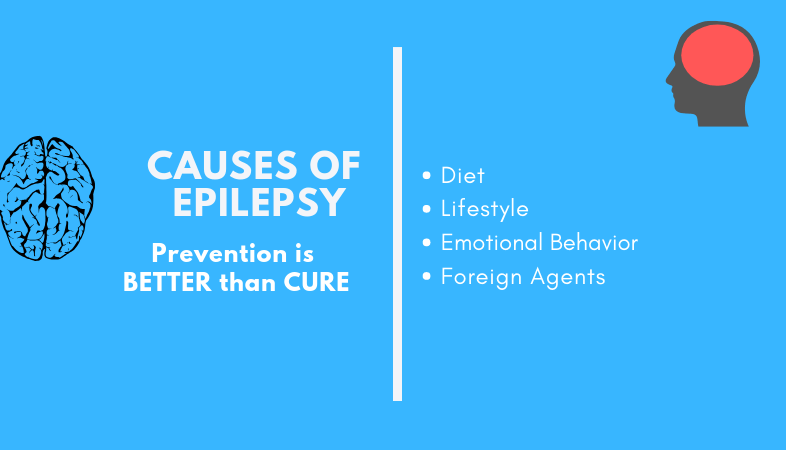
Causes of Epilepsy as per Ayurveda
read more...
Management of Epilepsy as per Ayurveda
read more...
Combination therapy for Epilepsy as per Ayurveda
read more...
Management of Epilepsy during an attack
read more...
Epilepsy Awareness -Know Epilepsy and No fear
read more...
When we beware of Epilepsy then we can be safe from Epilepsy
read more...
Have Epilepsy? Read how to increase immunity through Ayurveda
read more...
Emotional and Behavioral Changes amidst People with Epilepsy
read more...
Caring for someone with Epilepsy
read more...
Depression in Epilepsy
read more...
Copyright @ 2024 Neeraj Clinic. All rights reserved