

Low Cost Epilepsy Medicines in India: Important Factors Patients Should Consider
Epilepsy is a neurological condition characterized by recurrent seizures caused by abnormal electrical activity in the brain. With appropriate diagnosis and treatment, many people with epilepsy can achieve good seizure control and continue their everyday activities. The World Health Organization (WHO) estimates that up to 70% of people with epilepsy could become seizure-free with appropriate diagnosis and treatment.
For many families, however, the cost of long-term treatment is an important concern. Epilepsy may require regular medical consultations, investigations, medicines, and follow-up care. This makes the search for low cost epilepsy medicine in India understandable. At the same time, affordability should never mean choosing an unverified medicine or changing treatment without professional guidance.
Understanding the Need for Affordable Epilepsy Treatment
Epilepsy treatment is generally a long-term process. The appropriate medicine depends on several factors, including the type of seizure, age, overall health, other medicines being taken, and individual response to treatment. WHO guidance emphasizes selecting antiseizure medicines according to factors such as effectiveness, safety, availability, and cost-effectiveness.
Therefore, patients looking for low cost epilepsy treatment in India should consider the total cost of care rather than focusing only on the price of one medicine. A cheaper product that does not adequately control seizures may ultimately result in additional medical expenses and health risks.
A qualified healthcare professional can help determine whether a particular treatment is appropriate and whether a lower-cost, suitable alternative is available.
Quality Should Come Before Price
When searching for affordable epilepsy medicines, quality and authenticity are essential considerations. Patients should avoid purchasing products from unreliable sources or using medicines simply because they are advertised as inexpensive or “natural.”
The name best Ayurvedic epilepsy medicines in India may appear in online advertisements, but consumers should understand that marketing claims are not necessarily evidence of effectiveness or safety. Herbal and Ayurvedic preparations can contain pharmacologically active substances, and some may interact with conventional medicines. The National Center for Complementary and Integrative Health notes that herbal products can interact with medicines and that the safety and effectiveness of many supplements are not fully established.
Patients should therefore check the product's ingredients, manufacturer, labeling, and professional recommendations before using any complementary medicine.
Why Professional Diagnosis Is Important
A proper diagnosis may involve a medical history, neurological evaluation, and, when appropriate, investigations such as an EEG. WHO explains that epilepsy diagnosis is made by a healthcare professional and may be supported by EEG testing.
This is particularly important when someone is considering the best Ayurvedic medicine for epilepsy. Before beginning any treatment, the underlying condition and seizure type should be properly assessed. Different forms of epilepsy may require different approaches, so using the same medicine for every patient is not appropriate.
A best Ayurvedic doctor for epilepsy should therefore be someone who takes a detailed medical history, understands the patient's current treatment, considers potential interactions, and does not encourage patients to discontinue necessary medical treatment without appropriate supervision.
Considering Ayurveda as a Complementary Approach
Ayurveda has a long history in India and is often considered by families seeking holistic approaches to health. Depending on the individual, Ayurvedic care may involve dietary advice, lifestyle practices, yoga, meditation, and traditional herbal preparations.
However, people should distinguish between complementary care and proven seizure-control treatment. There is not enough evidence to assume that an Ayurvedic preparation can replace established antiseizure medicines for epilepsy. People already taking prescribed medicines should discuss any Ayurvedic or herbal product with their healthcare professional before starting it.
This is particularly important because herbal products may interact with conventional medicines. Research and safety information on many herb-drug combinations remain limited.
Do Not Stop Epilepsy Medicine Suddenly
One of the most important factors patients should consider when seeking affordable treatment is continuity. A person should not reduce, skip, or suddenly stop prescribed antiseizure medicine simply because they are trying to lower treatment costs.
WHO guidance warns that suddenly stopping antiseizure medicines can increase seizure risk. The Centers for Disease Control and Prevention similarly advises people with epilepsy not to skip or stop seizure medicine without consulting their healthcare provider.
If the cost of treatment is becoming difficult, patients should discuss the problem with their doctor. A healthcare professional may be able to identify an appropriate lower-cost option or adjust the treatment plan safely.
Comparing the Total Cost of Treatment
The actual expense of epilepsy care involves more than the medicine itself. Patients may need consultations, diagnostic tests, follow-up appointments, and sometimes additional treatments depending on their condition.
When evaluating low cost epilepsy treatment in India, families should therefore compare the complete treatment plan. A transparent clinic should explain consultation charges, medicine costs, follow-up requirements, and any additional expenses before treatment begins.
Patients should also be cautious about advertisements promising guaranteed cures or permanent results. Epilepsy can often be effectively controlled, but treatment outcomes vary between individuals. WHO reports that appropriate antiseizure treatment can help many people become seizure-free, while treatment plans need to be individualized.
Choosing an Experienced Healthcare Professional
Choosing the right professional may be more important than simply finding the cheapest medicine. Patients should look for a practitioner who carefully evaluates their condition and communicates openly about the expected benefits and limitations of treatment.
Someone searching for the best Ayurvedic seizure treatment in India should ask whether the practitioner has experience with epilepsy, whether they review existing medical records, and whether they coordinate appropriately with other healthcare professionals when necessary.
Patients should also disclose every medicine, supplement, and herbal preparation they are taking. This allows healthcare providers to identify possible interactions and make safer recommendations.
Be Careful With “Natural” and “No Side Effects” Claims
The word “natural” does not automatically mean safe. Some Ayurvedic preparations may contain metals, minerals, or other substances that can present safety concerns if improperly prepared or used. The NCCIH also notes concerns about contamination and potentially harmful substances in some Ayurvedic products.
For this reason, claims such as “completely safe,” “no side effects,” or “guaranteed cure” should be treated cautiously. Responsible treatment should acknowledge both potential benefits and possible risks.
Supporting Long-Term Seizure Management
Affordable treatment works best when combined with consistent follow-up and healthy daily habits. Taking medicines exactly as prescribed, maintaining regular medical appointments, getting adequate sleep, and following individualized advice can support overall seizure management.
Families should also maintain a record of seizure episodes, current medicines, and any noticeable side effects. This information can help healthcare professionals evaluate whether treatment is working effectively.
If seizures continue despite treatment, patients should inform their healthcare provider rather than independently increasing or changing medicine. WHO recommends specialist assessment when appropriate treatment does not adequately control seizures.
Making an Informed Decision
The search for low cost epilepsy medicine in India should ultimately be about finding treatment that is affordable, appropriate, authentic, and medically supervised. Price is an important consideration, but it should not outweigh safety, quality, correct diagnosis, and effectiveness.
People interested in the best Ayurvedic epilepsy treatment in India or the best Ayurvedic seizure treatment in India should discuss their options with qualified healthcare professionals and provide complete information about existing medicines and medical conditions.
Similarly, anyone researching the best Ayurvedic epilepsy medicines in India should evaluate products carefully rather than relying solely on promotional claims. The most appropriate approach may differ from one person to another.
Affordable epilepsy care is possible when patients, families, and healthcare professionals work together to develop a realistic long-term treatment plan. With proper diagnosis, reliable medicines, regular monitoring, and informed decisions, the financial burden of epilepsy care can be addressed without compromising patient safety.
Latest Post

Low Cost Epilepsy Medicines in India: Important Factors Patients Should Consider
read more...
Best Ayurvedic Seizure Treatment in India: Natural Solutions for Chronic Epilepsy
read more...
Expert Advice from the Best Ayurvedic Doctor for Epilepsy in India
read more...
Best Ayurvedic Doctor for Epilepsy Explains the Root Causes of Seizures
read more...
Patient Recovery Stories from the Best Epilepsy Hospital in India
read more...
Stress Management Techniques Suggested by the Best Ayurvedic Doctor for Epilepsy
read more...
Best Ayurvedic Epilepsy Medicine: How Herbs Support Neurological Recovery
read more...
Top Reasons to Visit the Best Epilepsy Hospital in India for Treatment
read more...
How the Low-Cost Ayurvedic Epilepsy Medicine Supports Brain Health & Results
read more...
Best Ayurvedic Epilepsy Medicine to Strengthen Brain Function Naturally
read more...
Diet Tips Recommended by the Best Ayurvedic Doctor for Epilepsy
read more...
How Ayurveda Helps Manage Epilepsy Without Harsh Side Effects
read more...
Best Ayurvedic Epilepsy Treatment in India for Children and Adults
read more...
Best Ayurvedic Epilepsy Medicine That Supports Nervous System Healing
read more...
Benefits of Visiting the Best Epilepsy Hospital in India for Integrated Care
read more...
Signs You Need the Best Ayurvedic Doctor for Epilepsy in India
read more...
Integrative Treatment: Combining Ayurvedic and Modern Neurological Care
read more...
Best Ayurvedic Epilepsy Medicine for Long-Term Brain Balance
read more...
Types of Epileptic Seizures: A Simple Guide for Families
read more...
How Stress & Sleep Affect Seizures — And Ayurvedic Ways to Improve Both
read more...
Ayurvedic Epilepsy Treatment Near Me: How to Choose the Right Clinic & Doctors
read more...
Best Ayurvedic Epilepsy Treatment in India: Top Doctors & Ayurvedic Options for Epilepsy Patients
read more...
How to Identify the Early Warning Signs of Epileptic Seizures
read more...
How Ayurveda Balances the Nervous System to Prevent Seizures
read more...
Low-Cost Epilepsy Treatment in India: What Patients Should Know
read more...
Why Ayurveda Is Becoming a Preferred Treatment for Epilepsy in India
read more...
Childhood Epilepsy: Effective Treatment Strategies for Long-Term Recovery
read more...
Scientific Studies on Ayurvedic Epilepsy Treatment: What Research Says
read more...
The Role of Fasting & Detox in Ayurvedic Epilepsy Treatment
read more...
Daily Routines (Dinacharya) for Epilepsy Patients According to Ayurveda
read more...
Top Ayurvedic Clinics in India Offering Epilepsy & Seizure Treatment
read more...
The Power of Meditation & Yoga in Epilepsy Management
read more...
Neuroprotective Benefits of Ayurveda in Epilepsy Management
read more...
The Role of Ayurvedic Epilepsy Medicines to Reduce Seizure Frequency
read more...
Diet & Nutrition for Epilepsy: Ayurvedic Foods to Eat & Avoid
read more...
Preventing Epilepsy with Ayurveda: Early Signs to Watch For Epilepsy
read more...
How Ayurveda & Spiritual Healing Work Together for Epilepsy
read more...
Ayurvedic Epilepsy Medicine vs. Allopathy: Which is More Effective
read more...
Seizure Treatment in Ayurveda: Discover the Power of Ayurvedic Epilepsy Medicine
read more...
Ayurvedic Seizure Treatment: Can It Help You Live Seizure-Free?
read more...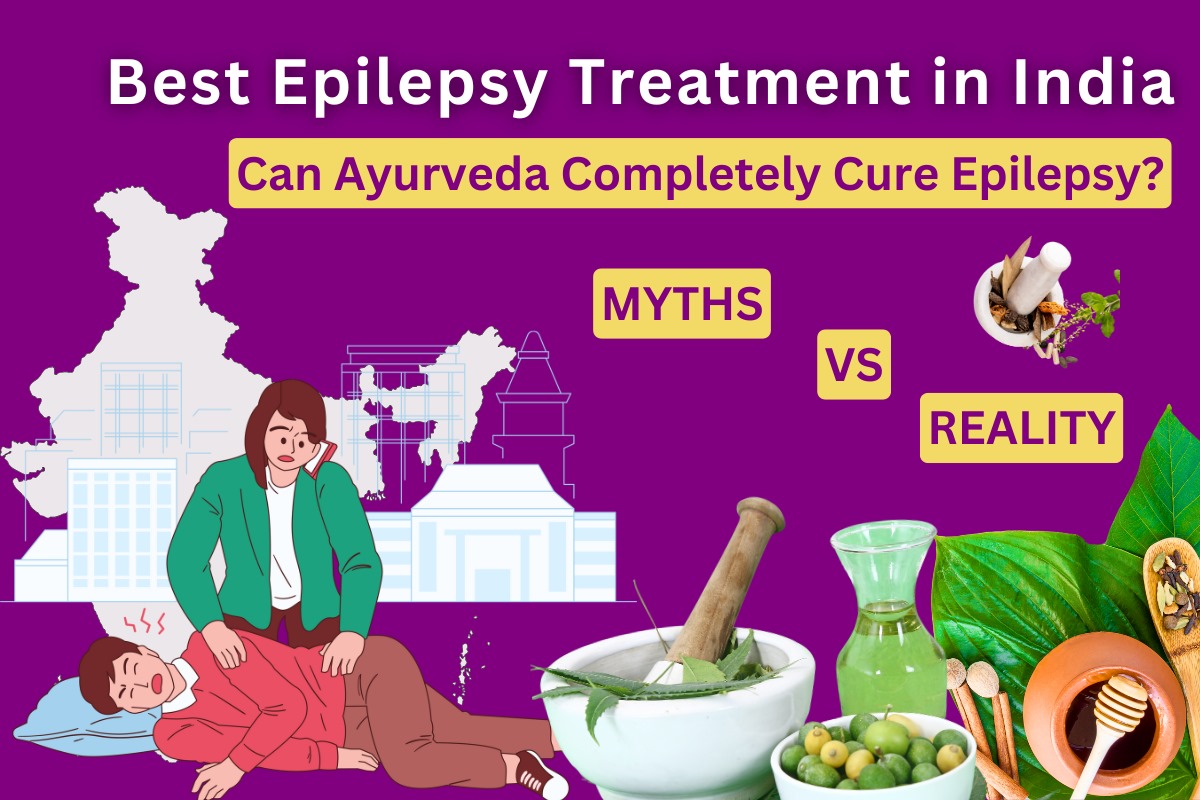
Best Epilepsy Treatment in India: Can Ayurveda Completely Cure Epilepsy? Myths vs. Reality
read more...
Best Epilepsy Medicine in India with Ayurveda: Diet, Lifestyle, and Herbal Remedies
read more...
Best Ayurvedic Medicine for Epilepsy: Natural Solutions for Seizure Control
read more...
How Ayurveda Helps Children with Epilepsy: Holistic Seizure Treatment Explained
read more...
Managing Epilepsy Naturally: Ayurvedic Seizure Treatment for Children and Adults
read more...
Best Ayurvedic Clinics for Epilepsy Treatment in India: A Comprehensive Guide
read more...
Best Epilepsy Treatment in India How Ayurveda Offers Hope for Seizure Patients
read more...
Using Ayurvedic Medicines and Herbs for Epilepsy Relief
read more...
The Role of Family Support in Ayurvedic Healing for Epilepsy
read more...
The Importance of Sleep in Managing Epilepsy Naturally
read more...
Maintaining Long-Term Health Post-Epilepsy Treatment with Ayurveda
read more...
The Future of Epilepsy Care: Combining Ayurveda with Modern Medicine
read more...
Natural Remedies for Epilepsy: Ayurveda’s Ancient Secrets Revealed
read more...
How to Find the Right Ayurvedic Specialist for Epilepsy Treatment
read more...
Boosting Brain Health with Ayurveda: Tips for Epilepsy Patients
read more...
Are Brain Cells Degenerated During an Epileptic Seizure
read more...
10 Natural Ways to Increase GABA to Calm the Mind and Reduce Seizures
read more...
Is Epilepsy a Hereditary Disease
read more...
Exploring the Relationship Between Epilepsy Medications, Hair Loss, Weight Loss, and the Benefits of Ayurvedic Formulas
read more...
Photosensitive Epilepsy: Causes, Symptoms, and Treatment
read more...
How does it feel like to have an epileptic parent
read more...
How does epilepsy affect a parent's life
read more...
Ayurveda may be helpful for Seniors with Epilepsy
read more...
Marital Status of Epileptic Patients
read more...
Seniors and Epilepsy / Living with epilepsy as a senior
read more...
How does epilepsy affect you intellectually
read more...
Do people with epilepsy need more sleep
read more...
Can a person with epilepsy go to college
read more...
Does Epilepsy cause memory loss
read more...
If learning fails a memory problem in students with Epilepsy
read more...
What organs are affected by epilepsy?
read more...
How Does Epilepsy Affect Fertility And How Can Ayurveda Help?
read more...
Myths About Epilepsy and Pregnancy
read more...
Is epilepsy a mental illness?
read more...
Can a person with epilepsy get married?
read more...
Post-covid treatment for people with epilepsy: yoga and ayurveda?
read more...
What to do during a seizure attack?
read more...
How safe is it for Epileptic Patients to get Vaccinated for Covid-19
read more...
Nostril breathing treatment to cure seizure disorder
read more...
Control Seizure disorder with Pranayama
read more...
What is Epilepsy
read more...
What is a Seizure?
read more...
Types of Epilepsy and treatment as per Ayurveda
read more...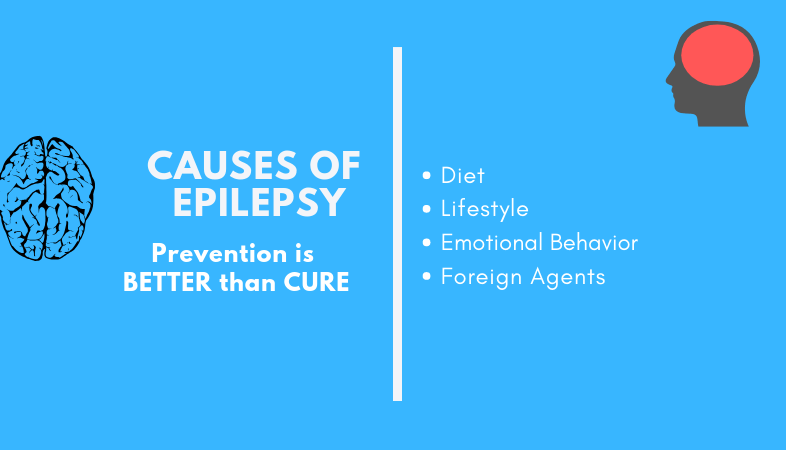
Causes of Epilepsy as per Ayurveda
read more...
Management of Epilepsy as per Ayurveda
read more...
Combination therapy for Epilepsy as per Ayurveda
read more...
Management of Epilepsy during an attack
read more...
Epilepsy Awareness -Know Epilepsy and No fear
read more...
When we beware of Epilepsy then we can be safe from Epilepsy
read more...
Have Epilepsy? Read how to increase immunity through Ayurveda
read more...
Emotional and Behavioral Changes amidst People with Epilepsy
read more...
Caring for someone with Epilepsy
read more...
Depression in Epilepsy
read more...
Copyright @ 2024 Neeraj Clinic. All rights reserved